
Branding collateral checklist: what a new UAE company actually needs, and in what order
The branding collateral a newly licensed UAE company needs in week one, what can wait, and the pieces that carry legal requirements.
Read the articleDesign Services
Branding, graphic design, UI and print are different jobs with different deliverables. How to tell which your situation calls for, how to brief it, and what you should receive at the end.
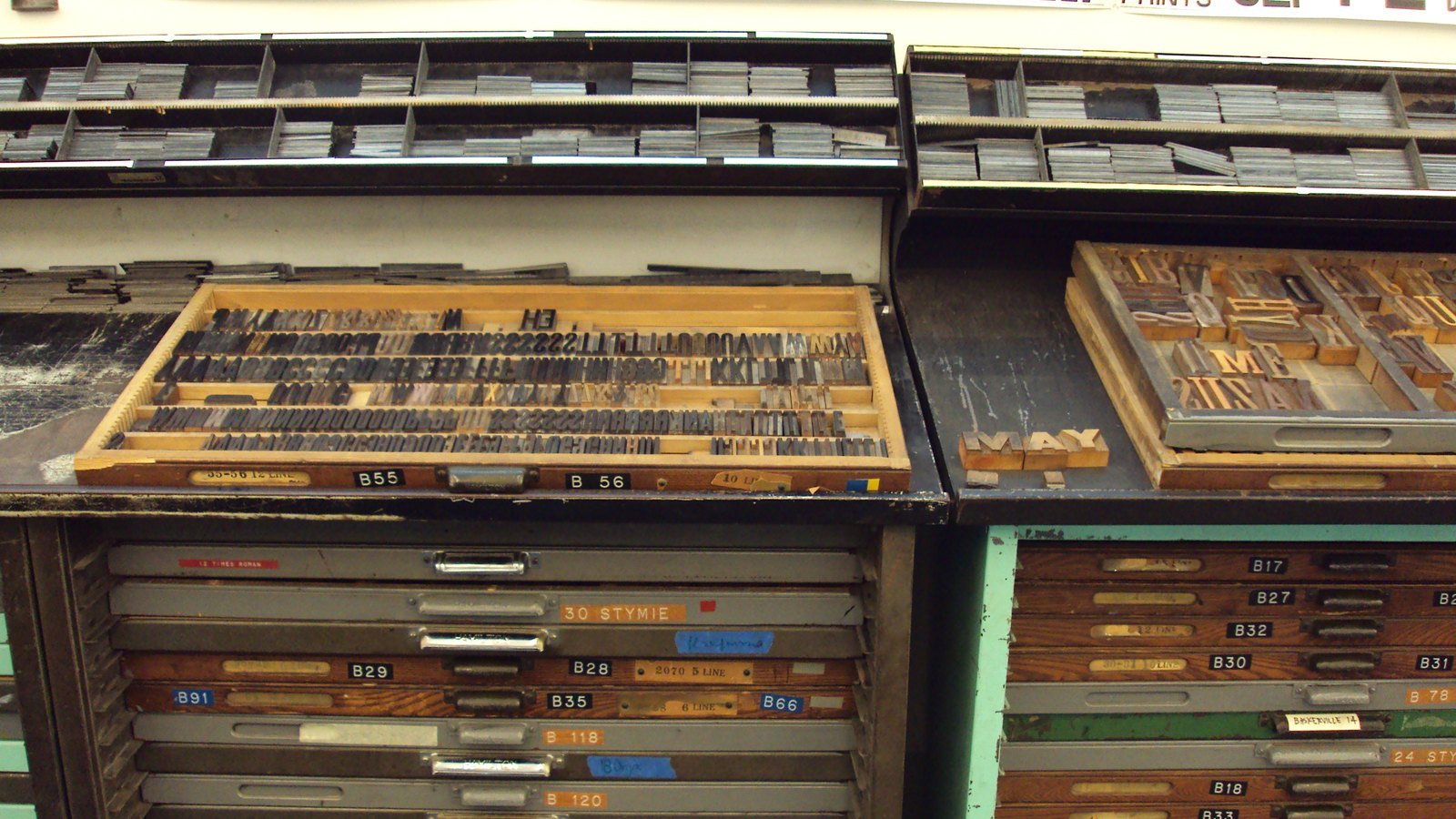
Most design briefs we receive in Dubai ask for the wrong thing, and not because the person writing them is careless. Design services in Dubai are sold under overlapping names, so a business that needs a brand system asks for a logo, and a business that needs one poster asks for a rebrand.
This is a guide to telling them apart so your design brief in Dubai asks for the right thing. What each job actually produces, how to brief it so you get something useful, what files you should receive, and the ownership question that catches people out later.
The four design services in Dubai below are separate disciplines with different outputs, and the people who are good at one are not automatically good at another.
Branding decides what the business looks like and sounds like. The output is a system rather than an artwork: a mark in its various forms, a colour palette with values that work in print and on screen, typefaces with licences, and written rules for using all of it. You buy this once and apply it for years.
Graphic design applies that system to individual pieces. A brochure, a poster, a social post, a pitch deck, a sign. This is continuous work for most businesses, and it goes considerably faster and costs less when a brand system already exists, because each piece is not a fresh set of decisions.
UI and UX design is the design of something people use rather than read. Screens, flows, states, what happens when a form is wrong. It overlaps visually with graphic design and the thinking is different: a poster has to communicate, an interface has to work.
Print and production design is preparing artwork so it survives being manufactured. Bleed, colour conversion, stock, finishes, and the specification conversation with the printer. Frequently treated as an afterthought, and it is where otherwise good design goes wrong.
The practical test for which you need: are you deciding how the business looks, applying a decision already made, designing something people operate, or preparing something to be manufactured. Those four questions sort most briefs.
A lot of spending on design services in Dubai goes into individual pieces that each solve a problem and together produce an inconsistent business. The signs are recognisable.
Every new piece takes a long argument about colours and fonts, because nothing is settled. Two suppliers produce work that does not look like it came from the same company. Nobody can find the logo file, so somebody exports it from a PDF or lifts it off the website. The logo exists in several slightly different versions and no one knows which is correct. Your Arabic material looks unrelated to your English material.
Each of these is a symptom of the same gap: decisions were never recorded, so they are remade every time, usually differently. The cost is invisible because it is spread across every project as delay and revision.
A brand system does not have to be elaborate. For a small UAE business a useful one might be a dozen pages covering the logo and its clear space, the colour values in the formats you actually use, two typefaces with their licences noted, how Arabic and English sit together, and a short list of things not to do. That is enough to keep several suppliers consistent.
What makes it work is not the document’s length but whether anyone can find it. A brand system nobody can locate is the same as no brand system, which is why it belongs somewhere the business controls rather than in a designer’s account.
A good design brief in Dubai explains the problem and the constraints. It does not describe the solution, which is what you are paying for.
Purpose. What any design brief in Dubai must state is what the piece has to achieve and how you will know whether it did. “A brochure” is not a purpose. “Something a salesperson can leave behind after a meeting that answers the three questions buyers always ask” is.
Audience. Every design brief in Dubai should name who sees it, what they already know, what language they read. In this market the language question is substantive rather than administrative, because a bilingual piece is a different design problem from a monolingual one.
Where it appears. A design brief in Dubai must say whether the piece is printed and handed over, on a phone screen, projected in a room, mounted outdoors in Gulf sun. Each changes the answer, and outdoor durability in this climate is a real constraint rather than a detail.
What already exists. Any design brief in Dubai should attach brand assets, previous versions, the thing it sits alongside. Send them at the start rather than after the first draft, which is when most of them actually surface.
Constraints. A design brief in Dubai should list mandatory content, regulatory wording, approvals needed, the deadline and what is driving it. Regulated sectors in the UAE have rules about what marketing material may claim, and a designer who learns about them at proof stage has already done work twice.
What you dislike. More useful in a design brief than what you like, and faster, especially in Dubai where taste varies widely. Three examples you reject, with a sentence each on why, narrows the field more than a mood board.
This is where design services in Dubai most often disappoint, and it is entirely preventable by asking at the start rather than at the end.
Editable source files are what any design services supplier in Dubai should hand over, not only exported images. A PDF or a PNG is an output. The source file is what lets anyone change a phone number next year without recreating the work. If a supplier will not provide source files, know that before you commission rather than after.
Every format you will actually use. For a logo that means vector for scaling, raster at the sizes your platforms need, and versions for light and dark backgrounds, single colour, and small sizes where detail disappears. A logo delivered as one large PNG is incomplete.
Fonts, with their licences. Typefaces are licensed, not bought outright, and the licence usually limits how they may be used. A brand built on a font your business has no licence for is a problem waiting to surface. Ask what the licence covers and who holds it.
Specifications in writing. Colour values for print and screen, paper weights, finishes, sizes. This is what lets a different supplier reproduce the work consistently later.
Confirmation of ownership. In writing, before work starts. Who owns the artwork, what rights you have to modify it, and whether the supplier may show it in their portfolio. The last one is usually fine and occasionally is not, for instance where the work is confidential.
If your material appears in Arabic and English, that affects the design from the first sketch rather than at the end. Treating Arabic as a translation step applied to a finished layout is the single most common fault we see in UAE design work.
Bilingual design services in Dubai start here, because Arabic text sets differently. It reads right to left, it is typically longer than the equivalent English for the same meaning, and it needs more vertical space to read comfortably at the same apparent size. A layout designed tightly around English copy will not accommodate it without compromise.
Direction affects more than text. Anything implying sequence or movement, arrows, numbered steps, progress indicators, charts read left to right, needs thinking about rather than mirroring automatically. Some elements should flip and some should not, and a photograph of a person facing a direction is not a layout element to reverse.
Typeface pairing is its own problem. An Arabic face and a Latin face have to sit together at compatible weights and proportions, and many popular Latin typefaces have no Arabic companion at all. This constrains type choice from the beginning, which is a reason to settle it during branding rather than discovering it on the first bilingual piece.
The W3C guidance on right to left text covers the technical side for digital work, and the same principles apply in print. Whatever the medium, have a native Arabic reader check the proof.
Two things catch UAE businesses out after the design work is finished, and both cost almost nothing to handle at the start.
The first is file ownership, covered above. The second is whether your new mark is actually available to use.
Commissioning a logo does not register it as a trademark, and the two are separate. Registration is handled through the Ministry of Economy and it is a legal process rather than a design one. A designer produces a mark; whether you can protect it, or whether it conflicts with something already registered, is a question for a trademark agent or lawyer.
The practical sequence that avoids expense is to screen before investing. A preliminary check of existing registrations in your classes, before the mark is applied to signage, packaging and a website, costs far less than discovering a conflict afterwards. We cover this in more depth in our guide to trademark registration in the UAE.
This is general information rather than legal advice. Where a mark matters commercially, take proper advice before committing to it.
When comparing design services in Dubai, a portfolio shows finished appearances rather than how the work went, so it is worth asking a few things it cannot answer.
Ask what the design services team in Dubai needs from you. A serious answer names your inputs: content, approvals, access to whoever decides. A supplier who says they need nothing has not thought about how the project will actually run.
Ask how revisions work. How many rounds, what counts as a round, and what happens when a new stakeholder appears at the end with different opinions. This is where most design relationships in this market sour, and it is entirely addressable in advance.
Ask who does the work. Whether the person in the meeting is the person designing, and whether anything is subcontracted. Both arrangements are fine; not knowing is not.
Ask about Arabic. Whether they set Arabic themselves or outsource it, and whether anyone on the team reads it. A supplier placing Arabic text they cannot read will not notice when it is wrong.
Ask what you receive at the end. Source files, formats, fonts, specifications, ownership. If this produces hesitation, you have learned something useful before signing rather than after.
We provide all four design services in Dubai and across the UAE, in Arabic and English, and the first thing we do with a brief is tell you whether it is asking for the right thing. That conversation is free and it regularly changes what gets quoted.
You receive editable source files, every format you need, specifications in writing and confirmation of ownership. Fonts are specified with their licences noted so you know what you hold. Where Arabic appears it is set by someone who reads it.
Individual services are covered on our design services hub, with brand identity, graphic design and UI and UX design each explained separately.
Send us a design brief in Dubai, however short, and we will say which service it is actually asking for, including when the answer is smaller than you expected. A written fixed price proposal follows within 45 minutes during business hours, with no obligation.
Straight answers
Branding decides what the business looks like and sounds like, producing a system: a mark, colours, type and rules for using them. Graphic design applies that system to individual pieces. Asking for a logo when you need a brand system, or the reverse, is the most common mismatch we see.
If more than one person will ever produce something branded, yes. It does not have to be long. Even a few pages covering the logo, colours, type and the things not to do will keep a business consistent across suppliers, which is what the document is actually for.
That depends entirely on your agreement, which is why it should be written down before work starts. Ask specifically for the editable source files rather than only exported images, and establish in writing that the artwork is yours. Some suppliers retain source files as a matter of course.
Enough to explain the purpose, the audience, where the work will appear and what already exists. It does not need to describe the solution. The most useful briefs tell a designer what the piece has to achieve and what the constraints are, then leave the approach open.
A freelancer suits a defined piece of work with one dominant skill. An agency suits work needing several skills at once or continuity across people. Many UAE businesses end up with both, using a freelancer for individual pieces and an agency for systems.
Sources
Fixed price, in writing
Got it. Your quote is being written now.
In business hours you will have it within 45 minutes. Check your inbox for the confirmation.
Keep reading
The branding collateral a newly licensed UAE company needs in week one, what can wait, and the pieces that carry legal requirements.
Read the article
What an Arabic and English brand guide must settle in writing so printers, developers and writers in the UAE apply it the same way.
Read the article
What UAE trademark law protects and refuses, how registration with the Ministry of Economy and Tourism works, and what it means for your logo.
Read the article