
Room pages, a Dubai hotel website basic
Size, bed configuration, view, what is included and what costs extra, shown clearly rather than buried in a rate description nobody reads.
Web Design by Industry
Hotel website design in Dubai for hotels, resorts and serviced apartments: room pages that show what is actually included, a booking engine that competes with the online travel agencies, and rates that stay in step across channels.
A hotel or serviced apartment in Dubai is already listed on three or four booking platforms before its own website gets attention, and each of those platforms takes a commission on every reservation. Hotel website design in Dubai exists to give guests a reason to book directly instead: a site that shows rooms properly, states the real rate clearly, and gets a guest through booking in fewer steps than the platforms they are comparing you against.
Our broader web design and website development services cover every industry; the detail below is what changes when the client runs rooms, rates and a front desk instead of a shop or an office.
What the site has to do
A guest comparing your site to a booking platform is judging it on the same details, so hotel website design in Dubai has to match or beat that experience.
Size, bed configuration, view, what is included and what costs extra, shown clearly rather than buried in a rate description nobody reads.
Live availability and rates connected to your property management system, with as few steps as possible between picking dates and confirming.
A clear, honest statement of your best rate policy where it applies, since guests increasingly check the direct site before completing a booking elsewhere.
Direct bookings
Guests do not choose a hotel’s own site over a booking platform out of loyalty, they choose it when it is genuinely easier or clearly better value. Hotel website design in Dubai that wins direct bookings usually gets three things right: the booking engine loads fast and does not ask for information twice, room photography and descriptions answer real questions such as noise, view and bed size, and any perks for booking directly, such as free cancellation terms, are stated plainly rather than hidden in policy text.
Rate parity matters here too. If your direct rate is not at least as good as the platforms, there is little reason for a guest to book anywhere else.
Regulatory angle, not legal advice
Operating a hotel in Dubai runs through DET’s hotel classification system, and DET’s own service page for classifying a hotel establishment lists what an application needs: initial approval from DET, the licence holder’s identification, a land map, Dubai Municipality building completion certificates and a trade name certificate, with classification fees varying by category, star rating and total number of units, and DET aiming to process applications and conduct a site inspection within one business day of submission.
This is not legal advice. If you operate a hotel or serviced apartment, confirm your registration and star rating with DET directly, and make sure the classification shown on your website matches what DET has actually assigned rather than an aspirational figure.
What stops a guest
Two problems repeat across hotel websites we review.
If a guest can check availability and pay faster on a familiar app than on your own site, the site has already lost. Hotel website design in Dubai has to make the booking engine the fastest path on the page, not a widget squeezed into a sidebar.
Guests notice quickly when a room does not match its photos, and it shows up in reviews before it shows up as a complaint to your front desk. Accurate, current photography protects both the booking rate and the reviews that follow it, and it is far easier to correct on the website than to repair a guest’s opinion after they arrive.
How we build it
The booking engine and PMS connection are decided early, since they shape everything else on the site.
We collect room types, rates, policies, classification detail and photography before design starts.
The site connects to your booking engine or property management system so availability and rates stay accurate without duplicate entry.
Room and booking templates go through your approval before a line of code is written, and Arabic plus any other guest languages that add real value join the English build from day one.
The booking path is tested end to end on real devices, tracking is connected, and domain, hosting and CMS logins are handed to you in your own name.
Booking engine and PMS integration happens early rather than at the end of the project, because it is the piece most likely to surface a gap, such as a rate plan the booking engine cannot represent correctly, and those cost far less time and rework to resolve before design work is built around them than after.
Demand for hotel rooms in Dubai moves with the calendar more than many other industries this section covers, shaped by the cooler winter months, school holidays, major exhibitions and citywide events that pull in visitors well beyond typical leisure travel. Hotel website design in Dubai benefits from a content management approach that lets a hotel’s own team update homepage messaging, offers and even room availability windows quickly around a known busy period, rather than waiting on a developer to publish a seasonal offer once the period has already started. A hotel that only updates its website occasionally tends to run the same generic homepage through both its busiest and quietest months, missing the chance to promote a longer stay offer in a quieter period or to simply confirm strong availability messaging is accurate when demand is highest.
This also affects how a booking engine should behave during a sell out period. Showing a room as unavailable clearly, with an option to join a waitlist or be notified of a cancellation, keeps a guest engaged with the hotel’s own channel instead of immediately checking an OTA that might show a different room type still open. A website that simply shows no availability with no alternative path loses that guest to whichever site answers next.
Photography and virtual tours
A guest cannot visit before booking, so photography and any virtual tour content do a disproportionate amount of the persuading.
The same angle and lighting approach across every room type lets a guest compare fairly, rather than one room looking better simply because it was shot more carefully.
Where a room’s view is a selling point, showing it accurately, including what is and is not visible, avoids the mismatch between photo and reality that damages reviews.
Pool, gym, restaurant and lobby photography answers questions a room photo alone cannot, and matters more for a guest choosing between similar room rates at different properties.
The person approving a hotel website project is rarely the person judged on how well it performs. A general manager cares about the whole guest experience the site represents, but it is usually a revenue manager or a director of sales and marketing who is measured on the split between direct bookings and bookings arriving through an online travel agency, because every OTA booking carries a commission the direct channel does not. That person’s first meeting questions tend to be practical rather than visual: can the booking engine connect to the property management system already in use, will rates update automatically when they change centrally, and can the team update room content themselves without waiting on a developer for every seasonal offer or closed date.
A serviced apartment operator or a small independent hotel without a dedicated revenue manager asks a version of the same question in simpler terms: will the website actually take bookings, or will it just look good and send every enquiry to an inbox nobody checks quickly enough. Hotel website design in Dubai that gets this meeting right treats the booking engine and its connections as the project’s central decision, with design and content built around making that flow as fast and clear as possible.
The guest
Hotel website design in Dubai has to serve more than one kind of visit, and each has a different point where a bad site loses them.
They want room types, location and what is included visible quickly, without registering or picking dates first. They leave if the site forces a date selection before showing anything useful.
They know their dates and want live availability, a clear rate and a fast checkout. They leave if the booking engine is slow, asks for information twice, or feels less trustworthy than the OTA they already have an account with.
They want to confirm details, ask a question before arrival, or request an early check in. They leave frustrated if the only contact option is a generic form with no reference to their booking.
The technical core
Three systems typically sit behind hotel website design in Dubai, and confusing them is a common source of a project running late. The property management system, or PMS, is where a hotel’s reservations, guest records and housekeeping status actually live, and it is the source of truth for who is staying and when. A channel manager sits between the PMS and the various OTAs a hotel lists on, pushing rate and availability updates out to each platform so a room sold on one channel is marked sold everywhere else within minutes rather than hours. The booking engine is the piece embedded on the hotel’s own website that lets a guest search, select a room and pay directly, and it needs its own connection back to the PMS or channel manager so the direct channel is never working from stale availability.
Hotel website design in Dubai gets this right by connecting the booking engine to whichever system already holds live availability, rather than treating the website as a fourth place rates have to be entered by hand. Where a hotel has no channel manager yet, that is a conversation worth having before the website launches, since a manual sync between platforms tends to be exactly where overbookings and rate mismatches start.
Rate parity is the reason a hotel’s own website cannot simply undercut the online travel agencies to win direct bookings, and it is worth understanding before a hotel website design project sets expectations. Booking.com’s own partner guidance on how parity works describes three regimes that apply depending on where a property is located: no parity, where a partner has no specific obligation regarding rates or availability compared with other channels; narrow parity, where a partner should offer Booking.com the same or better rate and conditions as on the partner’s own online channels; and wide parity, where the same or better rate and availability must apply across any channel, online or offline. Which regime applies to a specific property depends on its country and the terms in Booking.com’s General Delivery Terms, so a hotel should confirm its own position with Booking.com and any other OTA it lists on rather than assume a blanket rule.
What this means practically for hotel website design in Dubai is that the direct channel rarely wins on price alone under a parity regime. It wins on the guest not needing to pay a booking fee some OTAs add, on cancellation and payment terms the hotel controls directly, on upsells such as a free upgrade or an amenity offered only to direct bookers, and on the booking process itself being fast enough that a guest does not feel they gained nothing by leaving the platform they were already comparing rates on. Being heavily dependent on OTA traffic is not a website problem the site alone can fix, but a slow or confusing direct booking engine makes that dependence worse, because every guest it fails to convert books through an OTA instead by default.
This is not legal advice on your obligations to any specific OTA. Confirm your parity terms and any local pricing rules directly with each platform you list on.
Data and updates
Hotel website design in Dubai depends on data that changes constantly, often several times a day during busy periods.
| Data | How often it changes | Who usually keeps it current |
|---|---|---|
| Room availability | Continuously as bookings arrive and cancel | The PMS, synced automatically to the website |
| Rates and rate plans | Daily to seasonally, sometimes by demand | Revenue management, pushed through the channel manager |
| Room content and photography | Rarely, but needs a scheduled review | Marketing, reviewed at least annually |
| Classification and licence detail | Only when DET status changes | Hotel management, confirmed with DET directly |
A website that only updates availability once a day, through a manual export, will eventually show a room as available after it has already sold on another channel. This is the overbooking risk that a proper PMS or channel manager connection in hotel website design for Dubai is built to avoid.
Search behaviour
Guests searching for a Dubai hotel fall into two broad patterns, and the site needs pages built for both.
Terms such as “hotels near Dubai Marina” or “family friendly hotels in Dubai” come from a guest weeks from a decision, comparing areas and hotel types before narrowing down. Area and neighbourhood content, and clear room type overviews, answer this search.
A guest searching a specific hotel name, sometimes with dates already in mind, is close to booking and has usually already seen the hotel on an OTA. The booking engine, a clear best rate message and fast page loading answer this search.
No search volumes are invented here. These are patterns worth designing the site structure around, not numbers to promise a client.
A guest who finds your own site slower than the app they already have installed will book on the app. The website only wins the moments it is genuinely easier.
Hotel website design in Dubai moves fastest when room and policy content is ready before development begins, and the most common delay is not design, it is incomplete room content. Photography that does not match a recently renovated room, or a rate plan description copied from an OTA listing without the terms that actually apply on the hotel’s own site, both cause last minute rewrites. Classification detail is a smaller but real gap: hotels sometimes want to state a star rating on the homepage before confirming the exact wording DET’s own classification allows, which is why we ask for that confirmation directly from the hotel rather than assuming a rating from a previous website or a listing on an OTA.
Cancellation and payment terms need to be current and match what the booking engine actually enforces, since a guest who reads one policy on the room page and is charged under a different one at checkout loses trust immediately, and that mismatch is more damaging to a hotel’s reputation than a plain, honestly stated policy would ever be.
Launch and phase two
A hotel website does not need every integration on day one.
Room pages with accurate content, a connected booking engine showing live availability and rate, classification and location detail, and a fast path from homepage to booking on mobile.
Loyalty or repeat guest offers, upsell options inside the booking flow such as a room upgrade or a spa add on, guest messaging before arrival, and additional guest languages once the English and Arabic build has proven itself.
Which languages actually earn their place on a Dubai hotel website depends on where a hotel’s guests come from, not on a general rule that every hospitality site needs the same set. A hotel drawing heavily on regional and GCC leisure travel benefits from a properly built Arabic version with right to left support, not a translated homepage above an English only booking engine. A hotel positioned for international business or long haul leisure travel may get more value from investing that same effort into the languages of its specific source markets instead. What matters across any language version is that room names, rate plan terms and cancellation policies are translated by someone who understands hospitality terminology, since a literal translation of a rate plan name can leave a guest unsure what they are actually booking.
What we see go wrong
Beyond a slow booking engine and mismatched photography, covered earlier on this page, a few other problems repeat.
A direct rate that is accidentally higher than an OTA listing, because a rate change was pushed to the channel manager but not the website separately, undermines the entire case for booking direct.
Displaying a star rating the hotel expects rather than the one DET has actually assigned is a risk worth avoiding, and easy to prevent by confirming status before the site states it.
Many guests book from a phone while comparing several hotels in open tabs, and a booking engine that is awkward to use on a small screen loses guests to whichever competing tab is easiest to finish on.
The metric that matters most for hotel website design in Dubai is the direct booking share, the proportion of reservations arriving through the hotel’s own site rather than through an OTA, and how that share changes after a new booking engine or website goes live. Alongside it, a hotel’s team typically watches booking engine abandonment, meaning how many guests start a booking and do not finish it, since a high abandonment rate points directly at friction in the flow rather than a pricing problem. Enquiry response time for guests who message before booking, and how many of those enquiries convert, matters for serviced apartments and smaller properties where a personal reply is part of the sale. None of these are numbers we invent or promise in advance. They are the figures hotel website design in Dubai should be built to report clearly through web analytics connected to the booking engine, so a hotel can see the effect of a change rather than guess at it.
Named systems
Naming these specifically matters more than saying “integrations”, since each one solves a different problem.
The PMS holds reservations, folios and housekeeping status. A hotel website design in Dubai reads live availability and rates from here, and never becomes a second place a booking has to be entered manually.
Booking.com, Expedia and Agoda are the OTAs most Dubai hotels already list on, and a channel manager keeps rate and availability consistent across them and the hotel’s own booking engine without manual updates on each platform.
A pre arrival question or an early check in request often comes through WhatsApp before it comes through email. See our WhatsApp API integration page for how this connects to a shared reservations inbox rather than one person’s phone.
Hotel groups and resorts with repeat guests sometimes add a dedicated mobile app for booking and in stay requests, usually once the website’s own booking flow is proven first.
Google and TripAdvisor reviews shape a guest’s decision before they ever reach the booking engine, so the site’s own room descriptions and photography need to stay consistent with what reviewers are actually seeing on arrival.
Web analytics set up around the booking engine specifically, not just page views, shows where guests abandon a booking rather than only how many visited the site.
The booking flow
Hotel website design in Dubai should make this path shorter than the equivalent flow on an OTA, not just equal to it.
A guest picks dates and sees real room types with live availability, not a generic “check availability” button that leads to a separate site.
Size, bed configuration, view and what is included are visible without opening a new page for each option, so comparing two or three rooms does not mean losing the search.
The total price, what it includes, and the cancellation policy are shown before payment, not revealed as a surprise at the final step.
Payment happens in as few steps as the booking engine allows, with a confirmation that reaches the guest immediately and the PMS at the same time.
Beyond the room
A standard booking engine is built for one or two rooms on fixed dates, which leaves gaps a hotel website design in Dubai needs to plan for separately.
Multi room block bookings, conferences and corporate rates rarely fit a standard booking engine, so these need their own enquiry form that routes to sales rather than reservations, with fields for room count, dates and event requirements.
Showing an in house restaurant, styled along the lines of our restaurant website design work, or a spa built around the approach we take on our spa website design page, with a clear enquiry or reservation path, gives a guest a reason to book directly for the whole stay rather than just the room.
A free upgrade, late checkout or welcome amenity offered only through the hotel’s own booking engine gives a guest a concrete reason to leave the OTA they were comparing rates on.
Dubai charges a Tourism Dirham fee on stays at hotels, hotel apartments and other licensed accommodation, approved under the Dubai Department of Economy and Tourism’s Executive Council Resolution No 2 of 2014, cited in the sources for this page. The fee applies per room per night and is generally collected at the property rather than prepaid to an OTA, which means a hotel website design in Dubai needs to show the room rate and the Tourism Dirham as separate line items rather than folding one into the other, so a guest is not surprised by an additional charge at checkout or on arrival.
This is not legal advice and it is not a complete summary of how the Tourism Dirham applies to every accommodation type or guest category. Confirm the current fee structure and how it should be displayed on your booking engine directly with the Dubai Department of Economy and Tourism.
Longer stays
A serviced apartment brand in Dubai is often booked for a week or a month rather than a night or two, and that changes what a listing page needs to show. A kitchen and its equipment, laundry facilities, weekly housekeeping frequency and whether utilities are included in the rate all matter more to this guest than they would to a two night hotel guest, and a template copied directly from a hotel room page tends to leave these questions unanswered.
Rate structures often differ too, with a lower nightly rate for longer stays shown clearly rather than requiring a guest to enquire to find out, since a guest comparing a week long stay against a serviced apartment competitor wants that comparison to be easy, not something they have to ask for.
A hospitality brand often overlaps with tourism and events in how guests find it. Look at what we cover for travel and tourism websites and event websites, browse the full list on the web design by industry hub, and see web analytics for how booking traffic gets reported back to your team. Interface decisions specific to a booking flow, such as how many steps a guest goes through between picking dates and paying, sit under UI UX design, and once the booking engine is live, SEO services covers ranking for area and hotel type searches beyond what the OTAs already capture.
Hotel website design in Dubai starts fastest with a short list confirmed upfront: which property management system and channel manager, if any, are already in use, the full room type list with current rates and policies, photography for every room type and public area, current classification status from DET, and which guest languages beyond English genuinely matter for your source markets. Hotels that gather this before the first design meeting typically move from brief to a working booking engine noticeably faster than those who begin design before the booking system decision is settled, because so much of the site’s structure depends on what that system can and cannot do.
Everything on this page describes what changes for a hotel, resort or serviced apartment brand specifically. The wider approach to development, hosting, testing and handover that applies across every industry we build for is covered on our website development page.
A share of hotel demand in Dubai comes from corporate travel, whether that is a single business traveller on a negotiated rate or a company booking rooms repeatedly for visiting staff and clients, and hotel website design in Dubai often needs a distinct path for this guest rather than folding it into the standard leisure booking flow. A corporate rate is usually access controlled, shown only once a company code or login is entered, since it should not be visible to a leisure guest browsing the same room types. Building this properly means the booking engine can support a second, gated rate plan alongside the public one, and that the website makes it obvious how a corporate account is requested in the first place, rather than leaving it as a detail a sales contact has to explain by email after the fact.
Repeat business travellers also respond well to a simple account or profile option that remembers preferences and speeds up a second or third booking, though for many independent hotels a lighter approach, such as a saved corporate rate link sent directly to a client’s travel coordinator, achieves much the same result without building a full account system. Hotel website design in Dubai should match this feature to the volume of repeat corporate business a property actually has, rather than building an account system every hotel is assumed to need regardless of its guest mix.
Beyond room type and rate, a meaningful share of pre booking questions in hotel website design for Dubai are practical rather than aspirational: whether a room is wheelchair accessible, whether the property allows children of all ages or has an age restriction on certain room categories, what the parking situation is for a guest arriving by car, and how far the property genuinely is from the nearest metro station or attraction, stated in minutes rather than left to a guest to estimate from a map. These details are frequently missing from hotel websites we review, forced instead into a generic amenities list that a guest has to hunt through rather than a clear answer on the room or location page itself.
Getting this right matters more than it might seem, because a guest who cannot find a clear answer to a practical question before booking either abandons the booking entirely or messages the hotel to ask, adding a manual step that a well built page would have avoided. Hotel website design in Dubai that answers these questions directly on the page, rather than assuming a guest will call to check, converts more of the visitors who already like the room and the rate but are still weighing one practical detail before they commit.
Selected work
Work across sectors, with the closest to this industry shown first. Every one is a live site, not a mockup.
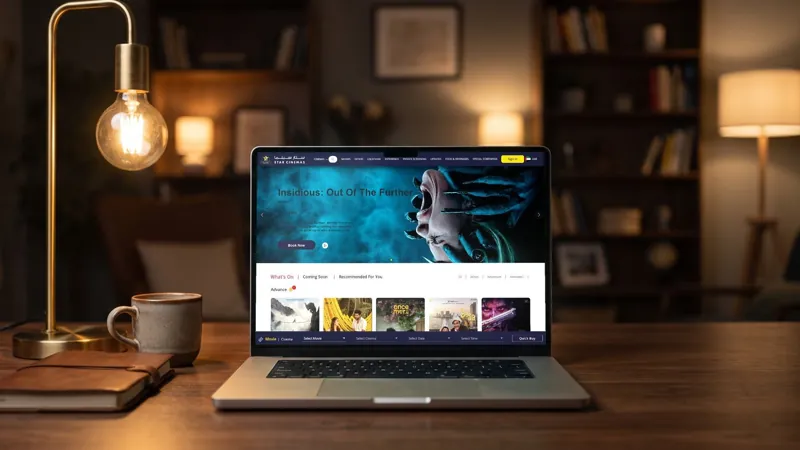
Web app · Ticketing · UAE
The UAE cinema chain operated by Phars Film. Every screening, offer and payment in one place customers can use on a phone.
starcinemas.ae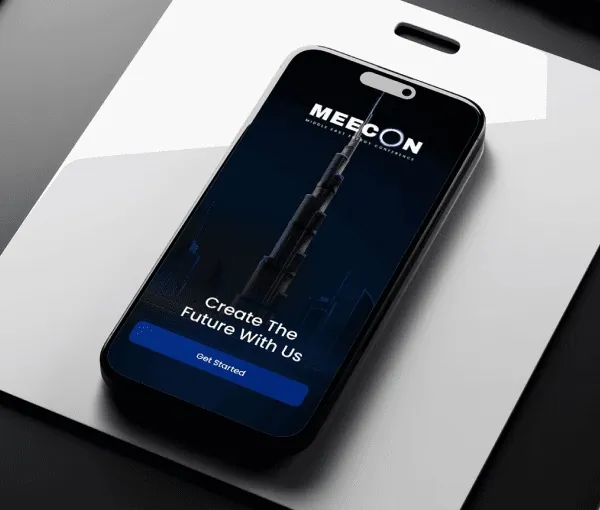
Mobile app · Events · UAE
A UAE conference platform replacing printed programmes and email chains for delegates and organisers.
meecon.ae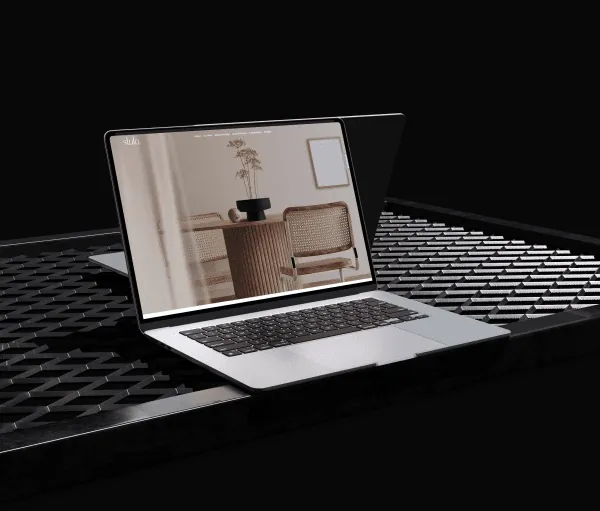
Website · Furniture · Middle East
A design led furniture brand that launched with no digital home, now shown as carefully as its pieces.
stulo.comStraight answers
Yes, most hotel websites we build connect to a booking engine or property management system you already use, so availability and rates on the site match what is held internally rather than being entered twice.
The site cannot replace a hotel's commercial strategy, but it can remove reasons a visitor chooses an online travel agency instead: a clear best rate message, an easy booking engine, and room pages that answer questions those platforms answer poorly.
Operating a hotel in Dubai requires registration on DET's hotel classification system and an assigned star rating. This is not legal advice, so confirm your classification and registration status with DET, and tell us your assigned category so the site states it accurately.
Yes. We build language versions based on where your guests actually come from, with proper right to left support for Arabic content.
Every project gets a fixed written quote, scoped to your brief, sent within 45 minutes during business hours with no obligation. The number of room types, languages and booking engine integration are the main cost drivers.
Sources
Fixed price, in writing
Got it. Your quote is being written now.
In business hours you will have it within 45 minutes. Check your inbox for the confirmation.