Water delivery app Dubai guide: refills, gas cylinders and niche ordering apps
How refill and subscription apps for drinking water and LPG cylinders work in Dubai, with shorter notes on pet care, bakery and jewellery ordering apps.
Read the articleSEO
What Google actually documents about images in search, how products, places and properties in Dubai get found through Google Images and Lens, and how to use reverse image search to see who is using your photos.
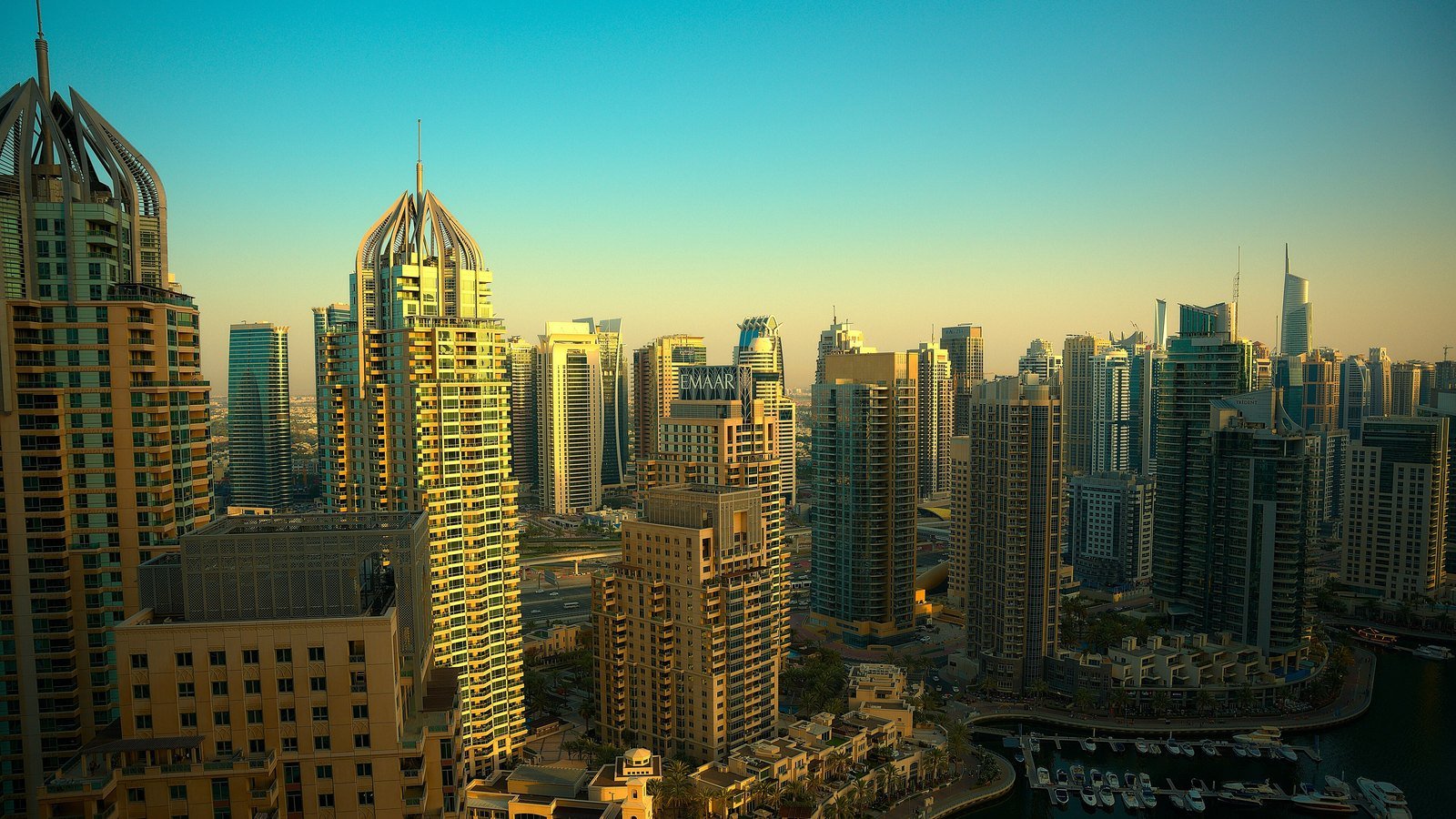
Image SEO for UAE websites comes down to making each photo easy for Google to find, understand and trust: a real image element in the page, a descriptive file name, alt text in the page’s own language, relevant text around it, and a file small enough to load quickly. Google Images and Google Lens then have something worth matching when a buyer in Dubai photographs a sofa, a villa or a shopfront and searches with it.
Most searches here are consumers running reverse image searches, and that is why it matters commercially: results include websites showing the same or a similar image. This guide covers what Google documents about images in search, as of October 2026, and how a UAE business can use the same tools to see who is reusing its photos.
Key points
A photo earns a visit in two ways. Someone types a query and clicks a thumbnail in Google Images, or someone starts with a picture instead of words. For the second, Google’s help pages describe searching by uploading a file, dragging an image onto the search box, pasting an image link, or right clicking an image in Chrome and choosing Search with Google Lens. Google says the results can include AI Overviews, results for objects in the image, similar images, and websites containing the image or a similar one.
That last part is the opportunity. When Google added Lens to Google Images in 2018, it described it as a new way for website owners to be discovered through visual search. A shopper photographing a lamp in Dubai Marina is asking Google to find pages that show the same thing. A page with a clear, original photo of that product, and text that names it, is a candidate for the answer.
Image SEO in the UAE pays most for things people recognise by sight before they know the name:
Nothing in image SEO for UAE sites counts if Google cannot see the file. Google’s image guidance says it finds images in the src attribute of the img element, including when that element sits inside a picture element, and states plainly that it does not index CSS images. Hero banners built as background images in page builders are therefore invisible to Google Images.
The same guidance lists the supported formats as BMP, GIF, JPEG, PNG, WebP, SVG and AVIF, and asks that the file extension matches the actual type. The picture element lets you offer a modern format first and fall back to a standard img with a JPEG source, and Google asks that you always specify a fallback in the src attribute. Responsive images through srcset and sizes let a phone download a small version while a desktop screen gets a larger one.
Google recommends short, descriptive file names and gives the example of a descriptive name being better than a camera default such as IMG00023.JPG. It also warns against generic names like image1.jpg. For image SEO in the UAE this is one of the easiest fixes: a file called three-bedroom-villa-arabian-ranches-pool.webp tells Google more than DSC_4471.webp ever will.
On bilingual sites, Google says to translate file names when you localise pages, and URL encode non Latin characters, so an Arabic product page can carry an Arabic file name. For large catalogues Google suggests automating naming, usually from the product title and key attributes at upload.
Google describes alt text as the most important metadata attribute for an image, and asks for useful, information rich text that fits the page, uses keywords naturally and avoids stuffing.
| Weak alt text | Useful alt text |
|---|---|
| villa | Three bedroom villa with private pool in Arabian Ranches |
| sofa dubai sofa uae best sofa | Grey linen three seater sofa with oak legs |
| restaurant | Terrace tables overlooking the marina at sunset |
| (empty) | Stainless steel ball valve, 2 inch, flanged ends |
On an Arabic page, alt text, captions and nearby text should be Arabic, written for Arabic readers. A common problem we see on bilingual UAE sites is an Arabic page reusing the English media entry, so every image carries English alt text. For image SEO in the UAE, that leaves Arabic searches unserved. Our guide to Arabic SEO covers the wider language work.
Google also takes an image’s subject from the page content, including captions, and recommends placing images near relevant text on pages about that subject. If the image is a link, Google treats its alt text as the anchor text, which matters for category tiles built from pictures.
For image SEO on UAE sites that load galleries with scripts, sitemaps matter. Google says an image sitemap tells it about images it might not otherwise find, such as those loaded through JavaScript, and each page entry can list up to 1,000 images. The image location may be on another domain, such as a CDN, provided both domains are verified in Search Console. Google has removed the caption, title, geo location and licence tags, so the location is all you need.
Structured data is narrower than many plugins suggest. Google says it can make images eligible for rich results and a badge in Google Images, with the image property required. For image SEO in the UAE, add a correct image to markup the page genuinely qualifies for, such as Product markup on a real product page or Recipe markup on a real recipe. The product side is covered in our ecommerce SEO service, and the wider markup work under technical SEO.
Licence information can make an image eligible for the Licensable badge in Google Images, which links to your terms. Using structured data, the license property is required for the badge, and acquireLicensePage, creditText, creator and copyrightNotice add detail. The same facts can instead be embedded as IPTC photo metadata that travels with the file; if the two conflict, Google uses the structured data. Architects, interior designers and hotels with strong photography gain most.
Google notes that images are often the largest contributor to page size. Image SEO in the UAE is partly a speed job, so the wider picture is in our Core Web Vitals guide; only the image points are here.
Sharpness still counts, especially in thumbnails, so check compressed files on a real phone before publishing a catalogue. If speed is the bigger problem, our website speed optimisation service deals with it across the whole site.
When someone searches with a picture, Google shows the same and visually similar images, and its “Learn more about an image” view lists pages containing it, with “Early uses” for pages where it appeared much earlier. A stock skyline sits on hundreds of sites, many published years before yours, so your page is one copy among many.
An original photo has no such competition. If you are the only site with a clear picture of your showroom or your product in its real colour, a visual match leads back to you. That is the practical case for original photography in image SEO for UAE businesses: Google has published no originality rule, but a unique image is the only kind a reverse search can trace to one source. Our post on product photos for an online store covers how to shoot a consistent set, and the ecommerce product photography page explains how we brief it.
A stock photo can be found anywhere. An original photo can only be found on your site, which is what makes it worth optimising.
For a page’s preferred preview image, set through og:image or primaryImageOfPage, Google advises against logos and images containing text, so use a real photo of the subject. Google’s image information can also show whether a camera captured an image or AI generated it.
The tools that send traffic to your images also help protect them. A Dubai business can run this routine each quarter.
Reverse search helps when buying too. Before paying a deposit to a new supplier, search with the product photos they sent. If the same images appear on a foreign manufacturer’s site or dozens of unrelated shops, the seller may not hold that stock. The same check works on listing photos and on any agency portfolio.
This is general information, not legal advice. For a specific dispute or contract, speak to a lawyer qualified in the UAE.
The UAE Government Portal names Federal Decree-Law No. 38 of 2021 on Copyrights and Neighbouring Rights as the law protecting authors, and Article 2 of that law, on the UAE Legislation portal, lists photographic works among protected works. The Government Portal also says the Ministry of Economy and Tourism registers intellectual works through its website. Image SEO in the UAE therefore starts with images you have the right to publish:
If you find your photos on another site, Google’s legal help pages explain how to report content on its products, but note that it may still exist elsewhere on the web. Google recommends contacting the website owner first.
We handle image SEO in the UAE as part of wider search work, starting with an audit of how your images are built, named, described and loaded in Arabic and English. The page level fixes such as alt text, captions and file naming sit with our on page SEO service, rendering, sitemaps and markup with technical SEO, and the commercial picture across all of it with our SEO service in Dubai.
We do not promise rankings in Google Images or Lens, because Google decides what it shows. What we provide is a clear list of fixes in priority order and a written fixed price proposal, usually within 45 minutes during business hours.
Straight answers
On an Arabic page, yes. Alt text should describe the image in the language of the page it sits on, so the Arabic version of a page carries Arabic alt text rather than a copy of the English. Write it fresh for each language instead of running it through a translation tool.
No. Google describes image sitemaps as a way to tell it about images it might not otherwise find, which is a discovery aid rather than a ranking signal. They are most useful when images load through JavaScript or sit on a separate image host.
It is worth it if you own original photography that other people might want to use, such as architecture, interiors or events. Google says licence details can make an image eligible for the Licensable badge in Google Images, which points people to your terms instead of leaving them to copy the file.
Google can only restrict access within its own products. Its legal help pages say the content may still exist elsewhere on the web, and recommend contacting the website owner to remove it at the source. For anything beyond a polite request, speak to a lawyer qualified in the UAE.
Not blindly. Google lists both WebP and AVIF as supported formats, and the picture element lets you offer a modern format with a JPEG fallback. Test the output, because some product photos lose fine detail at aggressive compression settings.
Sources
Fixed price, in writing
Got it. Your quote is being written now.
In business hours you will have it within 45 minutes. Check your inbox for the confirmation.
Keep reading
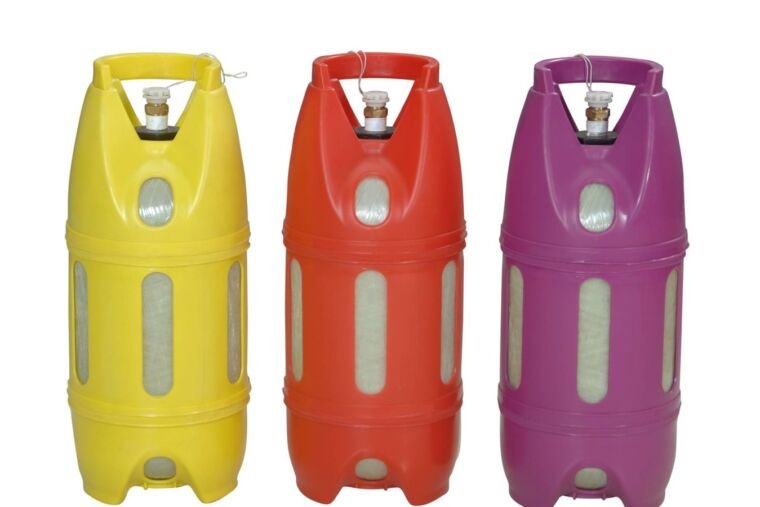
How refill and subscription apps for drinking water and LPG cylinders work in Dubai, with shorter notes on pet care, bakery and jewellery ordering apps.
Read the article
How to plan visitor, guard, access control, smart home and employee tracking apps for Dubai offices, sites and security operators.
Read the article
Payment, wallet, invoicing and expense apps in the UAE, and the Central Bank, DFSA and FSRA rules that decide what each one may do.
Read the article