
How Filming Permits Work in Dubai: A Guide for Brands
Who applies for a Dubai filming permit, when a script needs clearance and what a brand should prepare before an ad or photo shoot.
Read the articleMedia Production Services
What Article 44 of the cybercrime law and the UAE personal data law mean for staff photos, customer shots, event crowds, reposted content and edited images.
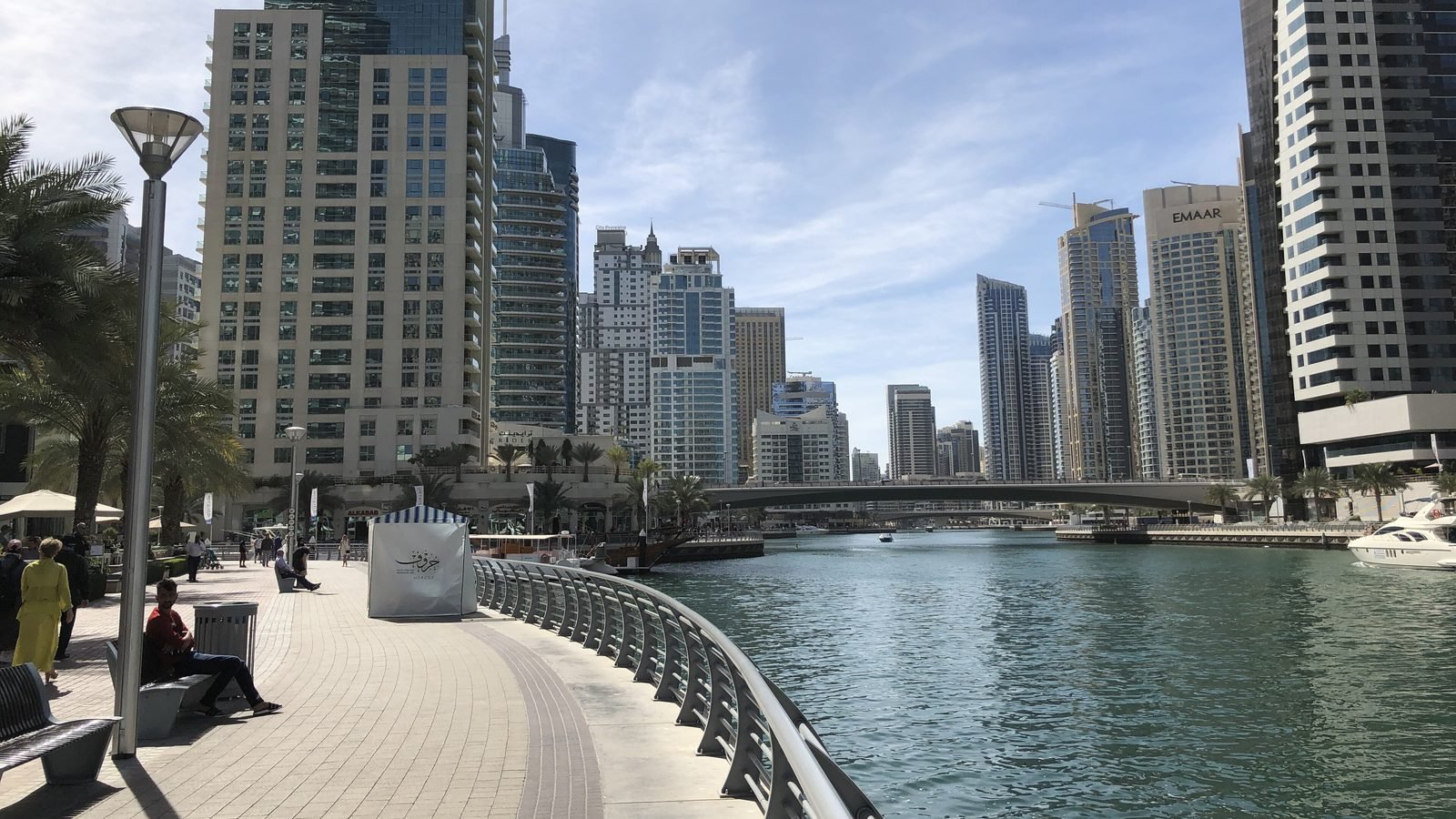
In the UAE, a business should assume it needs a person’s consent before photographing them for marketing and before publishing that photo. Two federal laws point the same way. Article 44 of Federal Decree Law No. (34) of 2021 on Countering Rumours and Cybercrimes treats taking or sharing photos of people without consent as an invasion of privacy, and the personal data law, Federal Decree by Law No. (45) of 2021, counts a person’s image as personal data that generally cannot be processed without consent.
The practical answer is a written release that names the uses, kept on file for as long as the photo is live. The detail below explains why, and how it works for staff, customers, events and edited images, as of September 2026.
Key points
This part of UAE photography law is headed “Revealing Secrets and Invasion of Privacy”, under Article 44. It applies to anyone who uses an information network, an information system or any information technology tool with the intention of invading the privacy of someone’s private or family life, without consent and outside cases the law authorises. It then lists five kinds of act. Two matter most for marketing:
The article also covers photos of the injured, the dead and victims of accidents or disasters taken or published without permission, and tracking or disclosing someone’s location data. A closing paragraph adds a separate offence for using technology to modify or process a record, photo or scene with the intention of defaming or insulting another person. The article sets out imprisonment and fines for each.
Two words deserve attention. “Intention” means the law is aimed at deliberate intrusion, not an accidental blur in the background. “Consent” is the way out of the first limb entirely. A business cannot control how a court would read intention in a particular case, but it can control whether it holds consent. That is why the safe habit is to get it.
UAE photography law overlaps with data law here. The PDPL’s Article 1 defines personal data as any data relating to an identified or identifiable natural person, and it names image and voice among the identifying elements. It treats biometric data, which it illustrates with facial images, as sensitive personal data. A recognisable face in an advert, a testimonial video with a customer’s voice, or a team photo with names attached all fall inside that definition.
Article 4 opens with a plain rule: processing personal data without the owner’s consent is prohibited, followed by a closed list of exceptions. Several exceptions exist for things like performing a contract, legal claims, public health and employment obligations. Marketing use of someone’s photo does not sit comfortably in any of them, so for campaigns, consent is the practical basis.
Article 5 adds controls that matter after the shoot: data must be collected for a specific and clear purpose, limited to what is necessary, kept securely, and not kept after the purpose is exhausted. A folder of unused portraits from three campaigns ago is a liability, not an asset.
Scope has limits. Article 2 excludes a person processing data for personal purposes, and companies in free zones that have their own data protection legislation. If your business is in one of those zones, its own law applies to that part of the question.
UAE photography law relies on this consent test. Article 6 of the PDPL sets three conditions for consent to count. The controller must be able to prove it. It must be clear, simple, unambiguous and easily accessible, in writing or electronically. And it must include the person’s right to withdraw it easily. The person may withdraw at any time, and withdrawal does not affect the lawfulness of processing that happened before.
Translated into a release form for a marketing shoot, that means:
If you cannot show the consent, treat it as if you never had it.
UAE photography law treats the same principles differently depending on who is in the frame.
| Who appears | Where businesses slip | Safer practice |
|---|---|---|
| Your employees | Assuming the employment contract covers marketing photos | A separate, optional release; the PDPL’s employment exception is framed around legal obligations, not promotion |
| Customers in your venue | Shooting “atmosphere” with identifiable diners, patients or shoppers | Ask before they are in frame, or compose so no one is recognisable |
| Attendees at your event | Relying on a notice alone for close ups used in adverts | Notice for general coverage, individual releases for featured people |
| A customer’s own post about you | Screenshotting it into a paid ad because it was public | Ask the person in writing; a public post is not permission for a new purpose |
| Influencers and hired models | Leaving usage to a chat message | A contract naming platforms, territories and duration |
UAE photography law makes the reposting row catch many brands. Article 4 does allow processing of data that “has become available and known to all by an act of the Data Subject”, but taking someone’s personal photo into a paid campaign is a different purpose from the one they posted for. A short written request is quick and removes the argument.
Location permissions are a separate layer. The Dubai Film and TV Commission includes photography among the formats that need a permit on government operated and private locations, which our guide on how filming permits work in Dubai explains.
UAE photography law covers editing too. Retouching skin or removing a stray reflection is routine. The legal risk starts when an edit changes what a person appears to say, do or endorse. The closing paragraph of Article 44 applies to modifying or processing a photo or scene with the intention of defaming or insulting someone, and that wording does not depend on which software made the change.
If an image features a person generated entirely by AI rather than a real individual, disclose that where the platform asks for it. Amazon, for example, now requires a metadata tag on photorealistic AI generated people in product images, which our product listing checklist for noon and Amazon.ae covers.
UAE photography law makes withdrawal the scenario teams rarely plan for. Under Article 6, a person can withdraw at any time. Under Article 15, they can ask for their personal data to be erased when consent is withdrawn, subject to exceptions set out in the law. Article 6 also confirms that what you did before withdrawal remains lawful.
UAE photography law rewards a tidy asset library, which makes this a short job. Tag every photo with the release it depends on, so you can find all uses of one person quickly.
This article summarises the text of Federal Decree Law No. (34) of 2021 and Federal Decree by Law No. (45) of 2021 as published on the UAE legislation portal, where the Arabic text prevails. It is general information as of September 2026, not legal advice. For a specific campaign, particularly involving children, health settings or sensitive data, speak to a UAE qualified lawyer.
UAE photography law shapes how we plan a shoot: we build consent in rather than chasing it after a shoot, who will appear, which releases are needed, how Arabic and English forms are worded for your uses, and how images are tagged for later withdrawal requests. We do not provide legal advice, and release templates should be reviewed by your lawyer.
Planned content shoots are covered by social media photography, and campaigns built on filmed people by commercial videography. If creators are involved, see influencer marketing. Everything visual sits on the media production services hub, and consent for email lists is covered in our post on email marketing consent under the UAE data protection law.
Straight answers
It is weak. The data protection law requires a controller relying on consent to be able to prove it, so a signed form, a recorded checkbox or a message thread saved to the file is far safer than a remembered conversation.
The federal personal data law excludes free zone companies that have their own data protection legislation, and both of those financial free zones have their own regimes. The cybercrime law is a separate federal law, so take advice on how each applies to your set up.
Licensed stock removes the consent paperwork from your side, because the agency holds the model releases. Read the licence for sensitive use restrictions, and remember that stock faces do not show your real team, venue or customers.
For as long as the image is in use, and for a sensible period afterwards in case a question comes up. The data protection law also says personal data should not be kept once its purpose is exhausted, so archive images and forms together and review both.
That depends on what the original consent covered and whether the person withdraws it. Plan for departures when drafting staff releases, and replace images in live adverts and on the team page when someone asks.
Sources
Fixed price, in writing
Got it. Your quote is being written now.
In business hours you will have it within 45 minutes. Check your inbox for the confirmation.
Keep reading
Who applies for a Dubai filming permit, when a script needs clearance and what a brand should prepare before an ad or photo shoot.
Read the article
How refill and subscription apps for drinking water and LPG cylinders work in Dubai, with shorter notes on pet care, bakery and jewellery ordering apps.
Read the article
How to plan visitor, guard, access control, smart home and employee tracking apps for Dubai offices, sites and security operators.
Read the article