
Ruby on Rails for a Dubai startup: where it still makes sense, and where it does not
Where Ruby on Rails still makes sense for a Dubai startup, UAE hiring realities, and when a founder should choose something else.
Read the articleWeb Services
A content site and an application are different problems. Where Laravel and WordPress each fit, and what happens when a WordPress build is pushed past a content site into application territory.
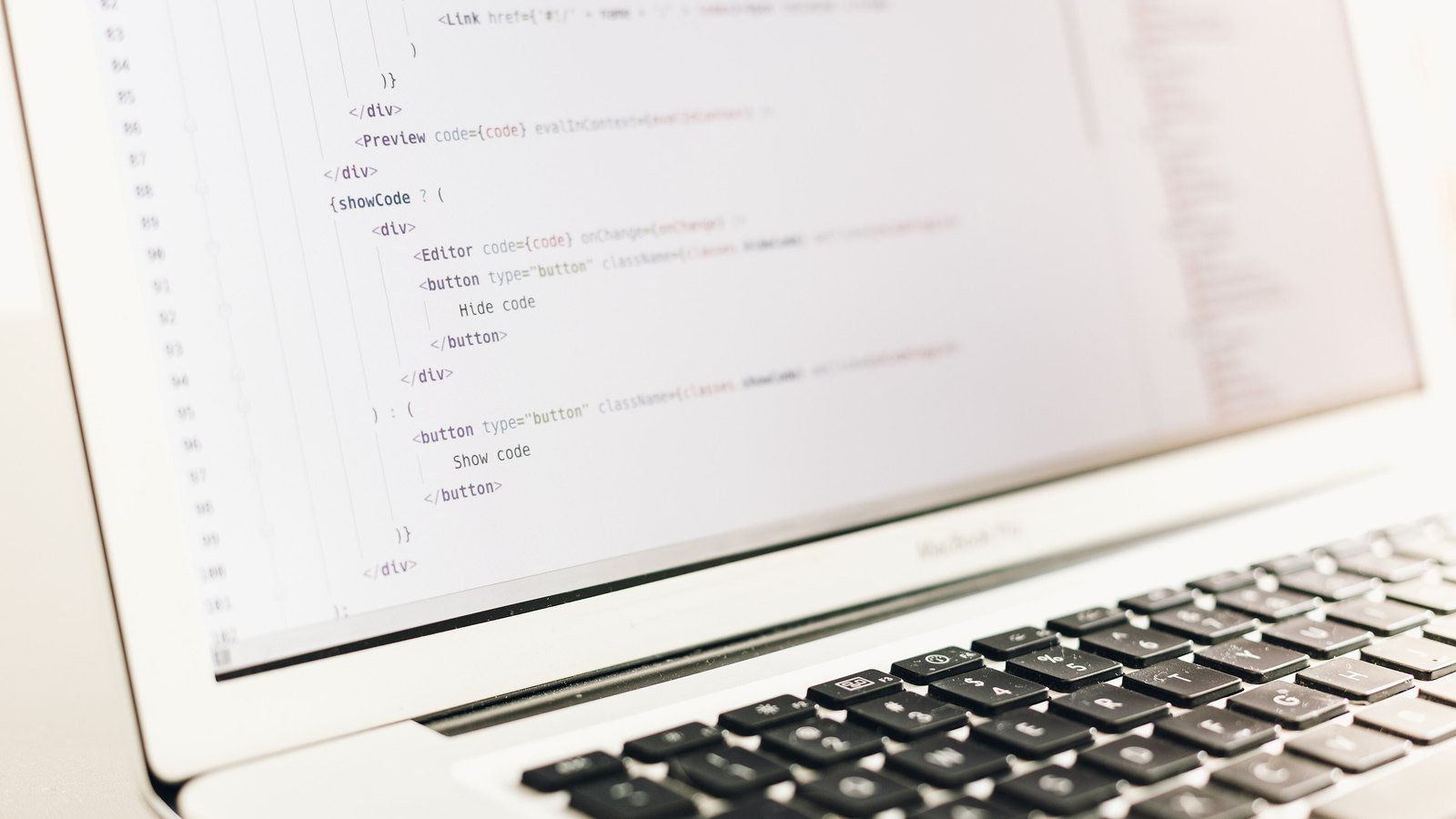
Laravel and WordPress solve different problems, and most of the Laravel against WordPress arguments online miss that. WordPress is a content management system built around editing pages, posts and media without touching code, and it remains the current release WordPress 7.1.1 as of this guide, requiring PHP 8.3 or greater. Laravel is a PHP framework for building a custom application, with Laravel 13 the current major release, also requiring PHP 8.3 as a minimum. The short answer is that a content site belongs on WordPress, and an application belongs on Laravel, with the real decision sitting in between the two.
This guide sets out where that line actually sits for a Dubai business, what a genuinely content driven site looks like against a genuinely application driven one, and what tends to go wrong when a WordPress build is pushed well past a content site into territory Laravel was built for.
Key points
If a Dubai business’s website is mainly content that a marketing team wants to edit itself, blog posts, service pages, an events calendar, staff profiles, WordPress is the more sensible starting point, and switching to Laravel for that job adds real cost for no real benefit. If the site’s core value is custom logic that does not fit an editing screen, a booking engine with complex availability rules, a customer portal with different permission tiers, an integration hub pulling data from several systems, Laravel is usually the better foundation, and trying to force that logic into WordPress usually produces something fragile.
The mistake most UAE businesses make is not picking the wrong platform outright, it is picking WordPress for what starts as a content site and then quietly adding more and more application logic to it over time, until the WordPress site is doing a job WordPress was never designed for.
WordPress’s own strength is content: a page and post editor, media handling, user roles for authors and editors, and a huge plugin ecosystem covering common needs like forms, SEO fields and basic ecommerce. The current release, WordPress 7.1.1, keeps that same core shape, and WordPress’s own requirements page now recommends PHP 8.3 or greater for a current, supported install.
For a Dubai business whose website is genuinely a content site, a brochure site, a blog, a service business with a handful of pages that change occasionally, WordPress lets a non technical team make most day to day edits without ever calling a developer. That single fact, more than any technical comparison, is usually the deciding one between WordPress and Laravel for a straightforward business website.
Laravel is a PHP framework, not a content management system, and it does not ship a page editor the way WordPress does. What it gives a development team instead is a clean, well documented foundation for building custom logic: routing, database access, background jobs, authentication and permissions, all designed to be assembled into whatever application the business actually needs.
Laravel’s own release notes describe an 18 month bug fix window and a two year security fix window for every release, with the current major version, Laravel 13, requiring PHP 8.3 as its minimum supported PHP version. That maintenance discipline matters for a Dubai business planning a multi year application, since it sets a clear upgrade rhythm rather than leaving the codebase to drift.
| WordPress | Laravel | |
|---|---|---|
| What it is | Content management system | PHP application framework |
| Editing content | Built in page and post editor | No built in editor, has to be built or added |
| Custom logic | Possible through plugins and custom code, awkward past a point | Native strength, built for exactly this |
| Current version | WordPress 7.1.1 | Laravel 13 |
| Minimum PHP | PHP 8.3 recommended | PHP 8.3 required |
The line between a content site and an application is not always obvious from the start, which is exactly why so many WordPress sites end up stretched past what the platform was designed for. A booking form is added, then availability rules, then a login area for repeat customers, then a second login area with different permissions for staff, and at some point the site has become an application built out of plugins rather than a content site with a few extra features.
That path is workable for a while, but it comes with real costs that a straight Laravel build against WordPress comparison often misses: plugin conflicts as the number of active plugins grows, slower pages as more plugin code runs on every request, and a harder upgrade path because so many separate pieces have to keep working together. A Laravel application built for the specific logic from the start does not carry that particular weight, because there is no plugin stack fighting for the same hooks and the same database.
The real Laravel against WordPress question is rarely which platform is better. It is whether the site is still mainly content, or has quietly become an application.
A Dubai business does not need to decide between Laravel and WordPress once and never revisit it. The more useful approach is watching for specific signs that a WordPress site has crossed from content into application territory.
Seeing two or three of these together is usually a stronger signal to plan a Laravel rebuild than any single one on its own.
A business that recognises its own site in the signs above does not have to throw away everything WordPress already holds. Content, pages, posts, media, category structures, can be exported and rebuilt inside a Laravel application, while the parts of the site that were always struggling, the workflow logic, the permission levels, the integrations, get built properly in Laravel instead of stitched together from plugins. Treating this as two separate jobs, moving the content and rebuilding the logic, tends to go more smoothly than trying to do both at once.
Search rankings are usually the biggest practical worry in a move like this, and the answer is the same as for any platform migration: keep every URL the same where possible, and put permanent redirects in place for anything that has to change, so neither visitors nor search engines land on a broken link. A Laravel rebuild does not need to cost a WordPress site its existing search visibility if the migration is planned properly rather than rushed.
For most Dubai businesses starting fresh, the honest, low risk default is still WordPress for a genuinely content driven site, since it gets the team editing its own pages from day one and avoids paying for custom application logic the business does not yet need. Laravel earns its place once the brief clearly involves custom workflows, integrations or permission logic that a content editor was never meant to handle.
Our separate guide on Ruby on Rails for a Dubai startup covers a third option worth comparing against Laravel for a custom application, and our guide on choosing a CMS for a UAE business works through the content platform decision on its own terms, beyond just WordPress.
Whichever platform fits the brief, our guide on why an old PHP version puts your site at risk is worth reading before launch, since WordPress 7.1.1 and Laravel 13 both currently require PHP 8.3 or newer, and an old hosting plan can quietly rule out either platform before a single page is built.
We build on both platforms and we would rather point a Dubai business at whichever one genuinely fits than default to one for every brief. Our Laravel developer team handles custom application builds, our WordPress developer team handles content driven sites and WordPress rebuilds, and our wider website development work covers the planning conversation that decides which platform your project actually needs before any build starts.
If your current WordPress site has started to feel like it is fighting you, our team can look at what it is actually doing and give you an honest view on whether Laravel is the better next step.
Straight answers
Neither is better in general terms. Laravel is a PHP framework for building a custom application, while WordPress is a content management system for publishing and editing content. The right choice depends on whether the site is mainly a content site that a non technical team will edit, or an application with real business logic behind it.
Technically a lot can be bolted onto WordPress with plugins and custom code, but doing so pushes WordPress past what it was designed for. A Laravel application built for the specific job is usually more reliable and easier to maintain than a WordPress site stretched into an application with a stack of plugins holding it together.
WordPress's own requirements page currently recommends PHP 8.3 or greater. Laravel 13, the current major release, requires PHP 8.3 as its minimum supported version too, so a Dubai business running both should be planning its hosting around a current PHP release rather than an old one.
Laravel can absolutely power a content heavy site, but it means building or adopting an editing interface, since Laravel does not ship one the way WordPress does. For a marketing team that wants to edit its own pages without a developer, WordPress is usually the simpler starting point.
The signal is usually when the site has stopped being mainly content and started being mainly logic: custom workflows, a portal with different permission levels, integrations with other systems, or performance problems caused by a stack of plugins trying to do a job WordPress was not built for.
We do not quote general price comparisons between platforms, since the real cost depends on the specific brief and the features involved. A fixed written quote, scoped to your brief, is the only reliable way to compare a Laravel build against a WordPress build for your project.
Sources
Fixed price, in writing
Got it. Your quote is being written now.
In business hours you will have it within 45 minutes. Check your inbox for the confirmation.
Keep reading

Where Ruby on Rails still makes sense for a Dubai startup, UAE hiring realities, and when a founder should choose something else.
Read the article
Choosing a CMS for a UAE business by who edits it, what it integrates with and who maintains it, not by which platform sounds most impressive.
Read the article
Why an unsupported PHP version is a security risk, current supported PHP versions, and how to plan the upgrade without breaking the site.
Read the article