
Best website design examples, and what they get right for Dubai and UAE businesses
What well known sites such as GOV.UK, u.ae, RTA, Apple and Stripe get right, and how to turn those qualities into a brief.
Read the articleMobile Apps
What a water delivery app in Dubai has to track, from bottle deposits and empties to recurring drops and dispensers, plus the licence route for gas cylinder apps and shorter notes on pet care, bakery and jewellery ordering apps.
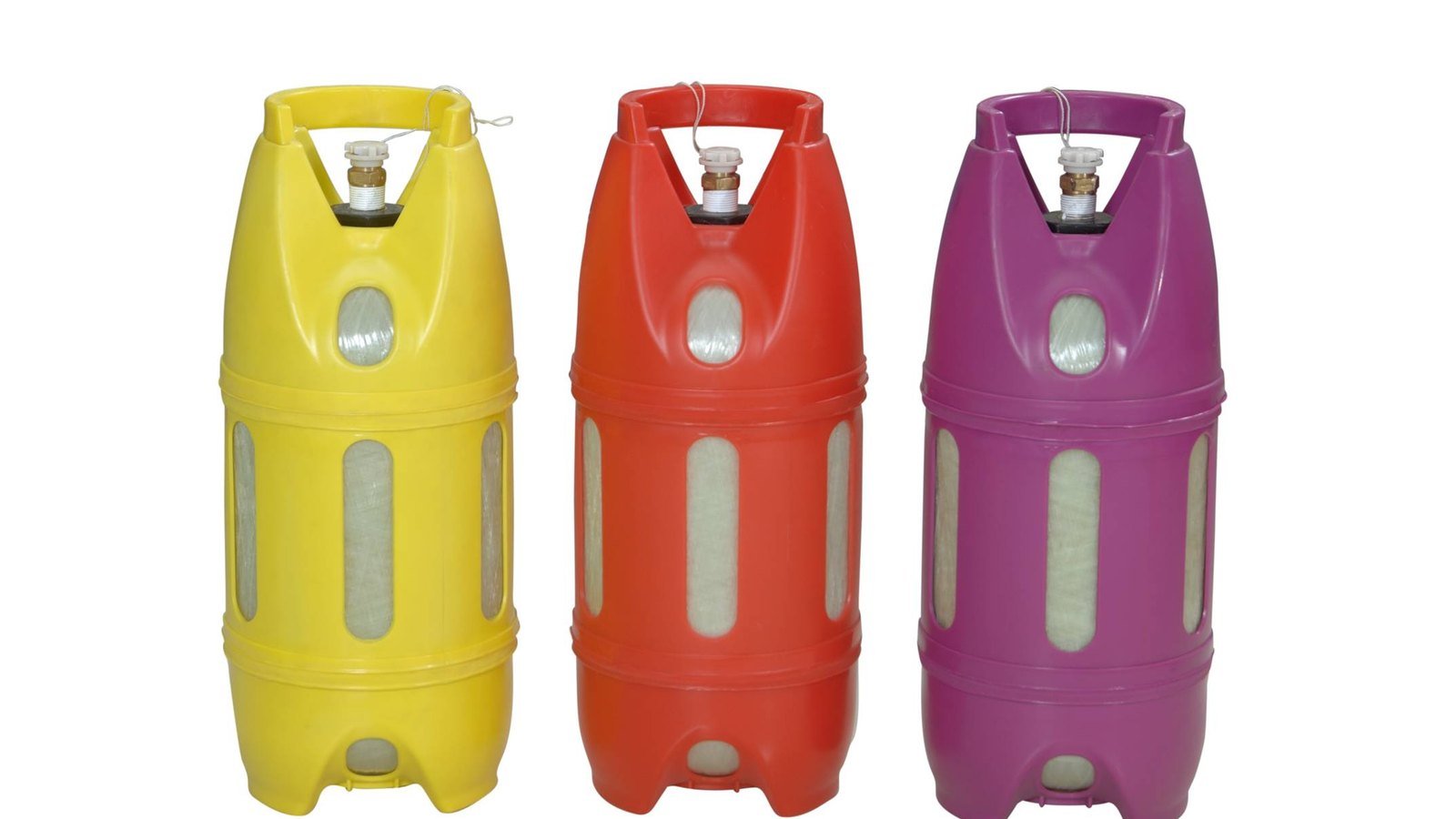
A water delivery app in Dubai is less a shop and more a ledger. Each household holds a number of returnable bottles, expects a refill on a rhythm, pays through prepaid coupons or a card on file, and lives behind a tower lobby or villa gate the driver must get through. The app works when it keeps that ledger right; the catalogue is the easy part.
Gas cylinder apps share the same refill and swap pattern, with one big difference: in Dubai, only a licensed distributor can sell and deliver LPG, so the licence question comes before any screen design. This guide covers both in depth, then gives shorter, concrete notes on three other niche ordering apps that come to us with similar questions: pet care, bakery and jewellery, as of October 2026.
Key points
Behind the icon there are three working parts, each with a different job in a refill business.
The customer sees a short list of products: large returnable bottles for a dispenser, cartons of small bottles, perhaps cups and a dispenser to rent. The screens that matter are the bottle balance, the next scheduled drop, the coupon balance and a one tap reorder. Most customers of a water delivery app in Dubai reorder the same thing, so the home screen should show their usual order and a date, not a promotional banner.
Drivers on a water delivery app in Dubai work fixed routes with a mix of scheduled and ad hoc stops. For each stop the driver app needs the bottle count to drop, the empties expected back, access notes for the building, the payment status, and a way to record what actually happened: delivered, partly delivered, customer away, or empties not ready. That record feeds the customer’s balance, so it must work on a weak signal in a basement car park and sync later.
In the admin panel of a water delivery app, the Dubai office needs route planning by area and day, a live view of bottles in the field, deposit liabilities, coupon book sales, failed stops to reschedule, and dispenser rentals due for service. If you already run an ERP or accounting system, the admin panel should send invoices and deposit entries there rather than keep a second set of books.
The hardest logic in a water delivery app for Dubai households is not the order; it is the bottle. A returnable bottle is company property sitting in someone’s kitchen, and the app has to know where every one of them is.
Most refill businesses take a refundable deposit when a customer first receives bottles. The app should record the deposit at the moment of the first delivery, show it on the customer’s account screen, and keep it separate from money paid for water, so that a refund at closure is a simple calculation rather than a search through old receipts. Keep the deposit amount in the admin panel as a setting the company controls; it will change, and it should never be hard coded into the app.
Every drop is a swap: full bottles in, empties out. The driver app should ask for both numbers at each stop, with the expected numbers already filled in, so the driver only corrects the exceptions. When a customer keeps an extra bottle, the balance goes up and the app can prompt for an extra deposit. When empties are damaged or missing, the driver records it with a photo, and the office decides whether to charge. A water delivery app in Dubai that skips this step usually ends up with an office team reconciling bottles by phone.
Many water companies in the UAE sell prepaid coupon books: a bundle of refills bought upfront, with paper slips handed to the driver at each drop. A Dubai water delivery app can replace the slips with a digital wallet of refill credits. The customer buys a book in the app, each delivery deducts a credit, and the balance shows on the home screen with a prompt to buy another book when credits run low. Two details matter: existing paper books must be honoured during the switch, so the driver app needs a way to scan or record a paper slip, and expired or unused credits need a clear rule written into your terms before launch.
Recurring orders are why a Dubai water business builds its own delivery app rather than taking orders on WhatsApp alone. The work is in making the schedule flexible without losing the route.
A good subscription screen offers frequencies the company can actually serve, for example weekly on a fixed day for each area, rather than a free choice of any date. The customer can skip a drop, add bottles to the next one, or pause while travelling, and each change should lock at a cutoff the night before so the route can be loaded. A water delivery app in Dubai also needs a sensible summer setting: households drink more in the hot months, and a prompt to raise the regular quantity is more useful than a discount banner.
Many water deliveries in Dubai fail at the door rather than on the road, so the app should store access details per address, not per customer: tower name, lobby or loading bay, whether the security desk needs a name in advance, the service lift, the floor and flat, and for villa communities the gate and any visitor pass process the community uses. Let customers and drivers add notes the next driver will see. When a tower changes its rules, one update to the address record fixes every customer in that building.
Dispensers turn a water customer into a longer term account. A water delivery app in Dubai should hold each rented dispenser as an asset with a serial number, the address it sits at, the rental start date and the date of its last clean. Service visits for sanitising can be scheduled automatically and offered to the customer as a slot alongside a normal drop, so the technician and the driver are not two separate trips. When a rental ends, the collection job should include the dispenser and all outstanding bottles in one stop.
An LPG app looks like a water delivery app in Dubai with heavier bottles, and the swap logic is indeed similar. The rules around it are not. Gas is a regulated petroleum product, and the app can only be as legitimate as the business behind it.
In 2021 the Dubai Supreme Council of Energy issued Directive No. 3 of 2021 regulating the transport, storage and distribution of LPG in Dubai, whether in cylinders or transport tanks. According to the Government of Dubai Media Office announcement, issuing or renewing a licence to distribute LPG requires the council’s written approval, that approval depends on a valid contract with an approved bottling plant in the emirate, and distributing cylinders in Dubai is prohibited unless they were filled at approved LPG plants in Dubai.
For an app owner that means three practical things. First, the app must belong to, or be operated for, a licensed distributor; a marketplace that lets any shop list gas is not a safe model. Second, the admin panel should store the distributor licence and the filling plant contract with their expiry dates and warn before they lapse. Third, if you plan to serve other emirates, confirm the licence route with the authority in each one before you open those areas in the app. This guide is not legal advice, and rules can change, so check the current position with the regulator as of October 2026.
We build software, not licences. If you are not yet a licensed LPG distributor, speak to the council or your adviser first.
ADNOC Distribution’s consumer gas page, for example, describes ordering LPG cylinders for home delivery through its app, with new cylinders and refills sold as separate options. Your own gas cylinder delivery app needs the same split: a first order that includes a new cylinder, regulator and hose where needed, and refill orders that swap an empty cylinder for a full one. Keep cylinder types, sizes and prices as admin settings fed from your own system; customers should never be able to order a size you do not stock.
Dubai Municipality publishes a technical guideline on LPG cylinder safety. As summarised in the search results we reviewed from the municipality’s site, it says storing filled cylinders is only allowed for facilities with a valid approval from the concerned Dubai authorities, that residential areas and shops such as groceries are not allowed to store filled cylinders, and that cylinders must not be dropped, rolled or dragged. Larger cylinders are to be stored upright and in a ventilated area out of direct sunlight.
The app can support this in plain ways. Limit order quantities per address so the app does not encourage stockpiling. Give the driver app a short checklist at each swap: cylinder upright, connection checked, no smell of gas, customer shown how to close the valve, with a free text note and a photo when something is wrong. If the driver finds a problem, the app should let them refuse the connection and log the reason for the office. Add a clear line in the app telling anyone who smells gas to leave the area and call the emergency services; an ordering app is not an emergency channel. Record cylinder batch numbers if your plant marks them, so a recall can be traced.
Pet businesses in the UAE often combine grooming, boarding and a shop, so the app usually starts with bookings.
Grooming slots depend on the animal, not just the service. Ask for species, breed, size and coat type at booking, and let the business set a duration for each combination, so a large double coated dog does not get a slot built for a small cat. Mobile grooming vans need address based slots grouped by area, with parking and access notes much like a refill route. Add a before and after photo to each job record.
Owners value reminders more than offers: vaccination due dates, parasite treatments, check ups and repeat food orders timed to the bag size. Each pet profile should hold its microchip number, vaccination history and uploaded certificates. For families moving to the UAE, the Ministry of Climate Change and Environment’s pet import service is an online permit application, and its service page says cats and dogs must carry a permanent microchip whose number matches the health certificate. An app can help owners keep those documents in one place, but it should link to the ministry for the actual requirements rather than restate them, because they change.
A bakery app earns its keep on the orders that are awkward by phone: celebration cakes, large trays for offices and seasonal boxes.
Turn the custom cake into a structured form: occasion, number of servings, shape and tiers, flavour and filling, dietary needs, message text in Arabic or English, and up to a few reference photos the customer uploads. The baker should be able to reply in the app with a quote and a sketch or notes, and the customer approves before payment. Keep every photo and approval on the order to settle any later disagreement about colour or wording.
Each product needs its own minimum notice, set by the bakery: a plain cake might be next day, a tiered design several days, and the app should simply not offer dates inside that window. Add a daily capacity limit for custom work, so a busy weekend or Eid closes itself in the calendar once the decorators are full, instead of relying on staff to decline orders by hand.
Pickup slots stop the counter from crowding. Offer windows per branch, send a ready notice, and show a code the counter staff scan. For delivered cakes, restrict areas and windows to what your drivers can reach without the cake sitting in a hot car, and let the bakery mark products as pickup only. If you are also planning the website, our bakery website design page covers the online menu side.
Jewellery apps sell high value pieces whose price moves daily.
For gold pieces, the displayed price usually depends on the metal weight, the purity, the day’s metal rate and the making charge. The app should not calculate this on its own. Pull the current price for each item from the store’s point of sale or pricing system, show the weight and purity alongside it, and refresh the figure at a set interval with a visible time stamp. When the rate changes between adding to the basket and checkout, show the new total and ask the customer to confirm. We did not find an official Dubai rule on how gold rates must be displayed in apps that we could open and cite, so check current requirements with the Department of Economy and Tourism before launch.
Camera based try on works well for earrings, necklaces and rings when the store supplies accurate 3D models or carefully cut photos. Treat it as a way to shortlist, then offer a showroom appointment or a video call with a sales consultant for the final choice.
Deliveries of jewellery need identity checks at handover, tamper evident packaging, a signature or one time code, and a record of who carried the parcel. Agree with your insurer what the cover requires for goods in transit and build those steps into the courier flow; the app should block delivery to an address type the policy excludes. For the website that sits beside the app, see our jewellery website design page.
These questions apply to the core of any water delivery app in Dubai and adapt easily to the niche apps above.
If you want to test demand with one area and one product first, read our guide to building a mobile app MVP, and for budgeting questions see what shapes mobile app cost.
Our team designs and builds ordering and refill apps for businesses in Dubai and across the UAE through our mobile app development service, with the customer app, driver app and admin panel planned together from the first brief. Customer updates often run best on WhatsApp alongside the app, which our WhatsApp API integration service covers. You approve the full design before development begins, the app is tested on real devices, and you own the code, accounts and data at handover.
Tell us how your water delivery app in Dubai or your niche ordering app should work, and we will send a written fixed price proposal, usually within 45 minutes during business hours, with no obligation.
Straight answers
Yes. Many refill customers prefer a quick message, so chat orders can be captured into the same admin panel as app orders. The point is that every order, wherever it starts, updates the same bottle and credit balances.
Technically yes, with separate catalogues, driver checklists and vehicles for each. The gas side can only go live under a licensed LPG distributor, so many businesses launch water first and add gas once the licence position is confirmed.
Import your current customer list with addresses, bottle balances, deposits held and remaining coupons. On the first drop after launch, the driver confirms the bottle count at the door, which corrects any old records.
For one way deliveries such as cakes or jewellery, often yes, provided the courier can follow your handover steps. Refill swaps are harder, because the courier must collect empties and record counts, so most refill businesses keep their own drivers on the app.
For a consumer app in the UAE, offering both is usually wise, and the Arabic version should be laid out properly from right to left rather than mirrored at the end. We build bilingual Arabic and English apps as standard.
Sources
Fixed price, in writing
Got it. Your quote is being written now.
In business hours you will have it within 45 minutes. Check your inbox for the confirmation.
Keep reading

What well known sites such as GOV.UK, u.ae, RTA, Apple and Stripe get right, and how to turn those qualities into a brief.
Read the article
Registrar, DNS and hosting are three separate things. Here is which ones a UAE business should hold, and what the .ae rules say.
Read the article
When a breadcrumb trail earns its place on a UAE website, and how to design, mark up and translate it properly.
Read the article