Water delivery app Dubai guide: refills, gas cylinders and niche ordering apps
How refill and subscription apps for drinking water and LPG cylinders work in Dubai, with shorter notes on pet care, bakery and jewellery ordering apps.
Read the articleCopywriting Services
How to decide, line by line, whether Arabic copy should follow the English closely or be rewritten for the reader, and what UAE translation law says about the profession.
Use translation when the Arabic must say exactly what the English says: specifications, terms, disclaimers, instructions and anything a regulator or marketplace will compare against the source. Use transcreation when the Arabic must make the reader feel and do what the English intended, even if the words change: headlines, slogans, ad hooks, social captions and voiceover.
Most UAE campaigns need both inside the same project, so the useful decision is made line by line, not per job. This guide shows how to make that call, how to brief and review Arabic transcreation when you do not read Arabic yourself, and what Federal Decree by Law No. (22) of 2022 says about the translation profession, as of September 2026.
Key points
Take an English summer campaign line built on a pun about “cool deals”, the kind of line that shows why transcreation into Arabic differs from translation. A faithful translation keeps both ideas, temperature and value, but usually loses the joke, because a double meaning that works in English rarely lands on a single Arabic word. The result is accurate and flat.
A transcreator starts somewhere else. They ask what the line is doing: making a heat wave feel like a reason to shop, with a light tone. Then they write Arabic lines that do that job with sounds, rhythm or an image that works for a Gulf reader, and explain in English what each option means and why it was chosen. None of the options may resemble the English words at all.
That difference changes three things in a project:
Mark up the English source before anyone starts deciding between transcreation and Arabic translation line by line. A simple rule works: if a person could be misled, harmed or contradicted by a change in meaning, the line is translated; if the line exists to win attention or emotion, it may be transcreated.
| Line in the campaign | Approach | Why |
|---|---|---|
| Headline, slogan, ad hook | Transcreate | Its job is reaction, and wordplay rarely survives |
| Offer terms, eligibility, dates | Translate | Both versions must describe the same offer |
| Health, safety or performance claims | Translate, then legal review | A stronger Arabic claim is a new claim you must support |
| Voiceover script | Transcreate to picture | Timing, lip sync and on screen text constrain the words |
| Product specifications and sizes | Translate | Numbers and units must match exactly across languages |
| Social captions and hashtags | Transcreate | Tone, humour and trending terms are local |
| Button labels, form errors, app messages | Localise | Short, consistent and tested in the real interface |
| Brand name and tagline lockup | Decide once in brand guidelines | Every later piece should follow the same approved form |
The brand name row is worth settling early. Our bilingual brand guidelines checklist covers how to record approved Arabic forms so each new campaign does not reopen the question.
Federal Decree by Law No. (22) of 2022 Regulating the Translation Profession came into force on 2 January 2023 and is listed as active on the UAE legislation portal, which matters for anyone doing Arabic transcreation work. It is worth reading its actual wording rather than a summary.
Article 1 defines the translation profession as a translator converting “texts, words, ideas, and signs from one language to another”, in written, oral or sign language form, “based on a mandate from the competent judicial authorities or at the request of others”. Article 2 states that the profession “may not be practised in the country except after being registered in the list and obtaining a licence in this regard from the competent licensing authority”. The list is kept by the Ministry of Justice.
Article 3 deals with official use. No authority may carry out authentication or certification work, and no court may accept a translated document, bond or deed, unless the translation was done by a translator or translation house on the list. Article 13 requires listed translators to work “with accuracy, honesty and sincerity” and without “changing the content of what is translated”, and Article 30 sets penalties for practising in violation of the law.
Notice what the text does not contain: it does not set out a separate category for marketing, advertising or website copy. We are not in a position to tell you that marketing translation falls outside licensing, and you should not assume it does. If your business commissions or supplies translation as a service, ask the competent licensing authority or a UAE lawyer how the law applies to that activity.
The portal itself shows why precision matters. Its disclaimer on each law says that the Arabic text is the reference for interpretation, and in case of conflict the Arabic text will prevail.
Digital Marketing Dubai is not on the Ministry of Justice list and does not provide legal, sworn or certified translation. Documents for courts, notaries, attestation or government use must go to a translator licensed by the UAE Ministry of Justice. This section quotes the law as published, as of September 2026, and is not legal advice.
Most weak Arabic transcreation comes from a weak brief. The writer receives an English file and a deadline, guesses the intent, and produces something safe. A one page brief prevents that.
Brief the reaction you want, not the words you already wrote.
Creative freedom in Arabic transcreation ends where facts, claims and platform rules begin. A transcreated headline that promises more than the English one creates a claim you now have to substantiate in Arabic. A transcreated product title that renames a colour may no longer match the attribute a shopper filters by.
Marketplaces make this concrete. noon’s content language page says it does not provide translations for Seller SKU products, that English content is mandatory on the UAE site while Arabic is optional, and that a product with only English content might be hidden from the Arabic website. Its video guidelines allow product videos in English or Arabic only, and reject videos whose content does not match the product information. On a marketplace, both languages must describe the identical product, so listing fields are translated and checked, not reinvented. For the full field list, see our product listing checklist for noon and Amazon.ae.
Search is the other boundary. A transcreated page may be excellent copy and still miss the words Arabic speakers type. Keyword research in Arabic should inform headings and page titles before transcreation begins, as our guide to Arabic SEO and keyword research explains.
Many UAE marketing managers approve Arabic transcreation copy they cannot read fluently. That is workable with the right materials.
Common problems to look out for include gender agreement that shifts halfway through a piece, dialect words in an otherwise formal text, English punctuation habits carried into Arabic, and digits written in two different styles on the same page.
We write and adapt marketing copy between Arabic and English for campaigns, websites, apps and listings, and we mark which lines are translated and which are transcreated before work starts. Our Arabic and English translation page explains the scope and its limits.
For campaign lines written from a brief, see copywriting services. Social captions in both languages are covered by social media copywriting, and bilingual pages by website content writing. Share your source and brief, and a written fixed price proposal follows.
Straight answers
No. Translation is judged on whether the Arabic says what the source says. Transcreation is judged on whether the Arabic reader reacts the way the brief intended, which usually means new wording, several options and a different review. Pricing follows the work: you receive a fixed written quote, scoped to your brief.
For campaigns aimed mainly at Arabic speaking audiences, yes, it often produces stronger copy. The English then becomes the adaptation, and the same brief and review rules apply in the other direction.
Possibly, but that is a legal question for a trademark adviser, and it should be asked before the line goes into print. If the Arabic and English lines differ in meaning, you may need to consider each separately.
Supply layered design files and editable subtitle files so Arabic can be set properly rather than pasted over artwork. Arabic often runs to a different length, so layouts should be checked with the final text in place.
Sources
Fixed price, in writing
Got it. Your quote is being written now.
In business hours you will have it within 45 minutes. Check your inbox for the confirmation.
Keep reading
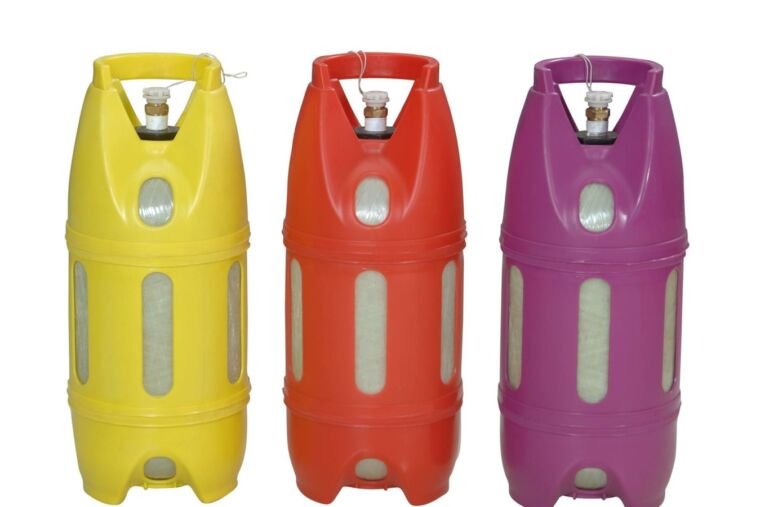
How refill and subscription apps for drinking water and LPG cylinders work in Dubai, with shorter notes on pet care, bakery and jewellery ordering apps.
Read the article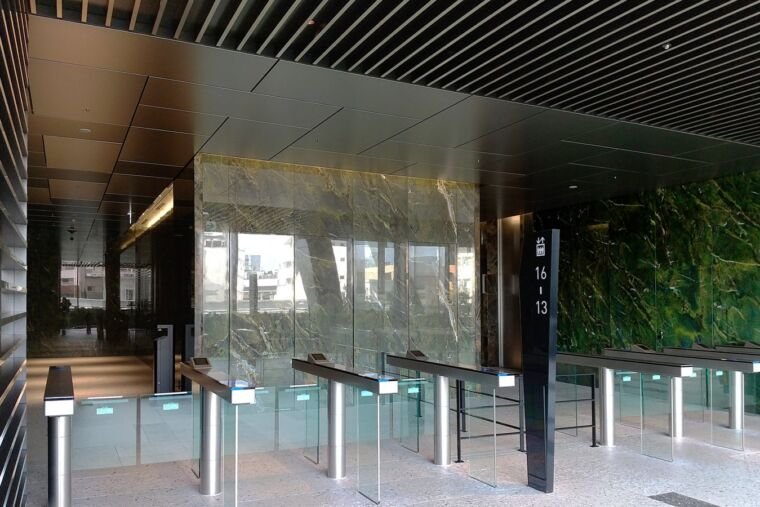
How to plan visitor, guard, access control, smart home and employee tracking apps for Dubai offices, sites and security operators.
Read the article
Payment, wallet, invoicing and expense apps in the UAE, and the Central Bank, DFSA and FSRA rules that decide what each one may do.
Read the article