
Procedure pages
Separate pages for sleeve gastrectomy, gastric bypass and any other procedure offered, written as an explanation of what each involves rather than a comparison claiming one is superior.
Web Design by Industry
Bariatric surgery website design in Dubai for weight loss surgery teams, built around the referral, insurance and multidisciplinary support pages a longer surgical programme needs.
Bariatric surgery is rarely a single decision. A patient usually spends weeks or months researching before they book a consultation, reading about the different procedures, wondering whether their insurance will help, and looking for reassurance that support continues after the operation itself. Bariatric surgery website design in Dubai has to serve that longer, more considered journey rather than the single page and enquiry form that works for a quick procedure. The site needs to explain the programme as a whole: assessment, the surgical options, insurance, nutrition and the months of follow up that come after surgery.
This page covers the programme pages a bariatric surgery practice in Dubai needs, where Dubai Health Authority advertising guidance shapes what the site can say about outcomes and imagery, and what we ask for before a build starts. None of this is legal advice, and current advertising rules should always be checked directly with the Dubai Health Authority.
Bariatric surgery website design in Dubai also has to hold two audiences at once. A patient reading at midnight after years of failed diets needs plain, reassuring explanation, while their family, who often influence the final decision, are usually looking for evidence of safety and proper aftercare. A site written only for the patient, or only as a clinical brochure, tends to miss one side of that conversation.
Unlike an elective cosmetic procedure, bariatric surgery is usually pursued for medical reasons, after other approaches to managing weight have not worked, and it is typically assessed by a team rather than decided by one surgeon alone. That distinction matters for the website as much as for the operating theatre. A programme site earns trust by describing assessment, teamwork and follow up honestly, and by being careful with exactly the kind of language, expected weight loss stated as fact, a testimonial without consent, a photograph implying a fixed, promised change, that Dubai Health Authority guidance treats as a risk area for any weight related health service. Our wider healthcare website design work covers the general pattern for a multi practitioner medical site; this page sets out what a weight loss surgery programme needs specifically.
Programme pages
A bariatric surgery website design in Dubai works best as a programme, not a menu, since most visitors are deciding whether to start the process at all.
Separate pages for sleeve gastrectomy, gastric bypass and any other procedure offered, written as an explanation of what each involves rather than a comparison claiming one is superior.
A page describing the clinical assessment process in general terms, making clear that suitability is decided in consultation, not by a form on the website.
A plain explanation of how pre authorisation with an insurer typically works for bariatric cases, and an offer to help a patient check their own policy.
Profiles for the surgeon, dietitian and any psychological support involved, since a programme built around one person alone reads as incomplete to a researching patient.
A timeline style page covering the months after surgery: diet stages, follow up appointments and the support available if a patient struggles.
Full bilingual pages, since weight loss surgery patients in the UAE come from a wide mix of language backgrounds and often research in their first language.
Advertising rules
Dubai Health Authority guidance for medical advertisement content sets out that any claim about a treatment outcome, whether stated directly or implied, must be substantiated and must include the associated risks. The same guidance lists absolute statements and exaggerated claims such as assured success, immediate results and phrases implying a treatment is infallible as unacceptable content, which rules out language a weight loss programme might otherwise reach for.
Before and after imagery has its own detailed conditions: the same individual, the same lens, no editing, and a written statement that results vary between patients written in the same font size as the rest of the advertisement. A bariatric surgery website in Dubai that uses this kind of imagery needs written, documented consent from the patient before publishing, and a compliance sign off process that checks each image against the current DHA appendix on acceptable and unacceptable content, not a one off check at launch.
What stops a booking
Most visitors researching weight loss surgery are not comparing prices, they are weighing up two specific worries.
| Hesitation | What the site can do about it |
|---|---|
| Will my insurance actually help pay for this | A clear page on how pre authorisation is checked, with a direct route to ask your team rather than guessing from a policy document alone |
| What happens to me after the operation is over | A visible recovery and follow up page, since ongoing support is often the deciding factor once a patient trusts the surgical team itself |
Build and content
A bariatric programme build moves quickly once this information is ready.
Which procedures are offered, and the names, qualifications and roles of everyone in the multidisciplinary team who should appear on the site.
Written consent for any patient photograph, story or before and after material intended for the site, matched against DHA appendix requirements.
How your team currently checks pre authorisation with insurers, so the site describes a real process rather than a general promise.
Who reviews outcome and imagery wording before it is published, so DHA related edits do not stall a launch.
The build itself, from hosting to a full handover once the site is live, sits under our website development service, while the layout of the consent forms and booking steps is planned as part of UI UX design. Afterwards, ranking for procedure and programme searches continues under SEO services.
Eligibility, explained without a number
Almost every visitor to a bariatric surgery website design in Dubai arrives wondering whether they would even qualify, usually before they wonder anything about the surgery itself. Body mass index is a widely used general measure in this field, alongside a history of weight related health conditions such as type two diabetes or high blood pressure, and previous, supervised attempts at losing weight through diet and lifestyle change. A programme page can explain that these are the kind of factors a clinical assessment typically weighs up, without stating a specific figure as a threshold the website itself decides, since eligibility is a clinical judgement made in consultation, not a self assessment a visitor completes on a form.
Writing this section responsibly means resisting the temptation to publish a simple checklist that implies a visitor can determine their own eligibility from the website alone. The safer, more honest version explains what an assessment generally considers, invites the visitor to book that assessment, and leaves the actual determination to the surgical and multidisciplinary team who will meet the patient in person. This is not legal advice, and any specific eligibility criteria a programme uses should be confirmed with the clinical team directly rather than published as a fixed rule.
The multidisciplinary team
A bariatric surgery website design in Dubai is built around a team, and a site that only introduces the surgeon undersells the actual support a patient receives. A dietitian shapes the pre and post surgery nutrition plan, often the part of the journey a patient thinks about most once the operation itself is behind them. A psychologist or counsellor is frequently involved before surgery, since a genuine, informed decision about a procedure this significant benefits from a proper conversation about the emotional side of long term weight change, not just the physical one. An endocrinologist may be part of the team where hormonal or metabolic factors are relevant, and a physiotherapist often supports the recovery period itself.
Showing this team on the website, with each person’s role described plainly rather than folded into a single generic “our team” paragraph, answers a real question a hesitant patient is asking: whether this is a genuine programme or a single surgeon working with occasional outside referrals. A family member researching alongside the patient, which happens often with this decision, tends to look specifically for evidence that support extends beyond the operating theatre, and a properly built team page is usually where they find it.
The buyer
A bariatric programme usually sits inside a hospital department or a multi surgeon clinic, so sign off rarely rests with one person alone.
Usually the person who cares most that the site describes the surgical options and assessment process accurately, and who reviews outcome related wording before it publishes.
Often the person actually approving the build itself, measured on referral volume, insurance approved cases and how smoothly the team’s diaries and the website line up.
Frequently consulted on how the site describes pre authorisation, since an inaccurate insurance page creates real work for this person once patients start asking about it directly.
Whether the site can be updated as the team changes, whether referral pages actually work for the doctors sending patients, and who checks outcome wording before it goes live.
How many assessment bookings the site generates, and increasingly, how many of those are patients whose insurance genuinely covers the programme rather than enquiries that stall at the cost conversation.
Reviewed jointly by the surgeon and whoever holds the facility’s advertising compliance responsibility, since a programme site touches several specialties under one advertising permit.
A bariatric surgery website earns trust by showing the whole team a patient will actually meet, not just the surgeon whose name is on the door.
Insurance, stated plainly
On a bariatric surgery website design in Dubai, insurance is usually the second question a patient asks, right after whether they would qualify for surgery at all. DHA guidance on acceptable advertisement content is useful here: a statement about fees, billing arrangements or insurance plan arrangements regularly accepted by the facility sits on the acceptable side of the guidance’s own appendix, alongside factual statements about the service offered. That gives a bariatric programme real room to explain, in plain terms, how a pre authorisation request typically works with an insurer, without naming specific insurers, specific plans or specific coverage amounts that vary by policy and change over time.
What we build is a page that explains the process rather than promises an outcome: how the team requests pre authorisation on a patient’s behalf, roughly what documentation an insurer usually asks for, and a clear route to ask the billing coordinator directly about an individual policy. This is not legal advice, and no page should imply that a specific insurer or plan will cover a specific patient’s procedure, since that depends on the policy itself and can only be confirmed by the insurer.
Long term follow up
A bariatric surgery website design in Dubai serves a long term programme, and a site built only around the operation itself misses most of what the patient actually experiences afterward.
A page describing how follow up appointments are typically spaced over the months and years after surgery, so a patient understands this is an ongoing relationship, not a single procedure.
Where the programme runs a patient support group, a page describing how it works and how to join answers a question many patients are too hesitant to ask directly.
Ongoing dietitian appointments, described plainly, since long term success depends heavily on this continuing relationship rather than the surgery alone.
A page for patients who had surgery some years ago and now have a question or concern, since this enquiry is different from a first time assessment and should not be routed the same way.
A patient who moved city or changed insurer years after surgery still needs an easy way to reach the team, and the site should make that obvious, not buried behind a generic contact page.
Where the programme continues to offer psychological support after surgery, stating this plainly answers a question that matters a great deal to many patients and their families.
Weight outcomes, handled with care
Of everything a bariatric surgery website design in Dubai has to get right, outcome language is where the most caution belongs. The DHA’s list of prohibited advertisement content rules out any suggestion that a treatment is certain to produce a full result, and separately rules out claiming that a treatment’s results are always effective. A weight figure, a percentage, or a before and after comparison implying a typical or expected result for every patient sits squarely inside what the guidance treats as unrealistic and unacceptable, since individual results genuinely vary by procedure, by patient and by how closely a long term programme is followed.
The same guidance requires written, documented patient consent for any testimonial, and prohibits comparing this treatment against another in a way that implies one is safer or more effective without credible, peer reviewed evidence behind the claim. What we build toward instead describes the programme, the surgical options and the support structure, and lets a patient’s own consultation, not the website, be where individual expectations are actually discussed. This is not legal advice, and any outcome related wording a programme wants to publish should be checked against current DHA guidance first.
Data that changes
A bariatric surgery website design in Dubai touches more moving parts than a single procedure page, and each one needs an owner.
| Data | How often it changes | Who usually owns it |
|---|---|---|
| Multidisciplinary team roster | As staff join, leave or change role | Programme manager, checked against each person’s own record |
| Insurance process description | Occasionally, as pre authorisation practice changes | Billing coordinator, reviewed for accuracy regularly |
| Follow up schedule and support group details | Rarely, but must stay correct at all times | Dietitian or programme coordinator |
| Referral and assessment booking availability | Frequently, tied to actual clinic capacity | Front desk or a scheduling system, kept live |
Integrations
A bariatric surgery website design in Dubai does more work behind the scenes than its procedure pages suggest.
Our WhatsApp API integration work routes an assessment enquiry to the coordinator who owns insurance and scheduling, rather than a general mailbox.
Booking an assessment often means coordinating a surgeon, a dietitian and sometimes a psychologist, which needs a scheduling system built for more than one practitioner.
Where other doctors refer patients into the programme, a dedicated referral form, separate from the patient enquiry form, keeps that pathway from getting lost among general enquiries.
Given how many years a bariatric relationship runs, our mobile app development work can extend follow up scheduling and nutrition check ins beyond the website.
Distinguishing an assessment enquiry from a long term follow up visit lets a programme manager see where the site is actually working and where it is not.
Where a patient needs to share medical history or previous records ahead of an assessment, a secure upload channel is safer than an open email attachment.
Search behaviour on a bariatric surgery website design in Dubai splits into a longer research stage and a much shorter ready to book stage, and the research stage tends to run longer here than for almost any other elective procedure, since the decision usually follows years of failed attempts at losing weight another way. A research search compares procedures directly, sleeve gastrectomy against gastric bypass, or asks about insurance coverage and eligibility in general terms, and is answered best by an honest programme page rather than one page trying to sell a specific procedure over another. A ready to book search pairs “bariatric surgery” or a specific procedure name with “Dubai” and “consultation” or “assessment”, and that visitor is ready for a fast, clear route to book, not another explanation of how the surgery works.
No search volumes are claimed here, since none have been measured for any specific programme. What holds structurally is that a bariatric surgery website answering only the comparison and insurance questions, without a fast route from any programme page into an assessment booking, loses the visitor who has already decided to take the next step.
Content that goes missing
A dietitian or psychologist who has since left the programme, still listed on the site, is a common and easily missed gap that only surfaces once a patient asks for them by name.
How pre authorisation is actually requested, rather than a general assumption about how it probably works, is frequently missing and holds up the insurance section more than any other piece of content.
A programme that wants to share a patient’s experience, even carefully, needs documented consent gathered before the site is built, not requested after a page is already drafted.
Phasing
| Stage | What launches | What waits |
|---|---|---|
| Phase one | Procedure and assessment pages, the team page, an insurance process explainer, an assessment request form | A dedicated patient portal or a public support group calendar |
| Phase two | A structured referral pathway for GPs, a patient portal for long term follow up, additional language versions | Revision surgery content awaiting enough real enquiry volume to justify its own page |
| Ongoing | Follow up and support group content added as the programme matures, team updates as staff change | A full rebrand, done in one batch rather than piecemeal |
A programme launching its first proper site rarely needs a full patient portal or a referral network built from day one. Launching with an honest, well built programme explanation and a working assessment request is usually the faster and less risky order.
Arabic and the wider region
A bariatric surgery website design in Dubai draws patients from across the Gulf, and obesity as a health topic carries a particular sensitivity across the region that a purely clinical English page does not always address well. A full Arabic version of the programme, assessment and team pages, written with the same care as the English version rather than a shortened summary, reaches a genuinely different share of enquiries than English alone, particularly for a programme serving patients and families who prefer to discuss a decision this significant in their first language.
Family involvement matters here more than in most other elective decisions, and a bariatric programme’s Arabic content often needs to speak to a family member researching alongside the patient, not only the patient directly, since it is frequently a shared decision rather than an individual one.
Mistakes we see
A handful of gaps turn up repeatedly when we review an established bariatric surgery website design in Dubai ahead of a rebuild. A single surgical procedure treated as the whole story, with the dietitian and psychologist mentioned in passing rather than given their own visible place on the site, which undersells a programme that is genuinely built as a team effort. An insurance section so vague it fails to answer the actual question a patient came with, leaving them to call and ask rather than find a clear explanation on the page. A recovery or outcome section leaning on encouraging, general language about transformation that drifts closer to a promise than the programme itself would ever make in a consultation room. None of these need a full rebuild. They usually need someone to sit down with the clinical team and rewrite the handful of pages where the gap actually lives.
Measuring it
Raw enquiry numbers matter less on a bariatric surgery website design in Dubai than in almost any other industry on this site, since the real value is in what happens after the first enquiry.
What matters more is how many assessment enquiries turn into a booked and attended appointment, and separately, how many of those patients turn out to have insurance that genuinely supports the programme, since a site attracting enquiries that stall at the cost conversation is not serving the programme well. Tracking how many enquiries come through a GP referral versus directly from the website is a second useful signal, since the two pathways often need different content and different follow up. None of this is a promised outcome. It is what we recommend a programme track using its own booking, referral and insurance data, not a figure we would publish here.
What the visitor is actually doing
Most visitors to a bariatric surgery website design in Dubai are not comparing prices between programmes the way a cosmetic surgery visitor often is. They are usually deciding, often after years of trying other approaches, whether to take a step they have been putting off, and the website’s job is to move that decision forward without pushing. A visitor’s first task is confirming the programme takes their situation seriously, not as a quick fix but as the structured, team supported process it actually is, and a page that reads as a sales pitch for a single procedure loses that visitor almost immediately.
Their second task, once the programme feels credible, is finding the answer to the two questions they are actually holding: whether their insurance will help, and what happens to them for years after the operation, not just in the weeks immediately following it. A bariatric surgery website design in Dubai that buries the insurance explanation and the long term follow up information behind a generic contact page, rather than surfacing both clearly from the programme page itself, loses a visitor who was genuinely ready to book an assessment.
Content the client supplies
The steps overleaf cover the bariatric surgery website design in Dubai build process. What follows is what most often sits unready on the client side, waiting on someone else’s calendar.
A dietitian or psychologist’s bio and photo can sit waiting on their own approval for weeks, and this is a common, avoidable delay once every other page is ready.
Getting the insurance explainer right needs a proper conversation with whoever actually handles pre authorisation, not a guess based on what the page probably should say.
Where a programme wants to use any patient material, tracking down documented consent after the fact is slower than gathering it as part of the original patient relationship.
The referral pathway
A meaningful share of visitors to a bariatric surgery website design in Dubai arrive through a referral from a general practitioner or an endocrinologist, not a direct search, and that pathway deserves its own page rather than sharing a form built for patients.
Fields for a referring doctor’s own details and a brief clinical summary, distinct from a patient enquiry form asking about symptoms and preferences.
A page explaining that the programme keeps a referring doctor informed of a patient’s progress, since this reassurance is often what encourages a repeat referral.
A short, specific list of what a referring doctor should include, so the assessment team is not chasing missing information after the fact.
Cost, without a bundled figure
Some weight loss surgery marketing advertises a single bundled figure covering the procedure and a hospital stay, presented as a simple, comparable number, which is exactly the kind of content a bariatric surgery website design in Dubai should avoid. DHA guidance on acceptable and unacceptable advertisement content treats price information that omits the conditions attached to it as unacceptable, and a bariatric procedure’s actual cost depends on the surgical option chosen, the individual patient’s case and, where relevant, what an insurer contributes, none of which a single advertised figure can honestly reflect for every visitor who reads it.
None of our own pages publish a price for this reason, bariatric surgery website design in Dubai included. Every cost question is answered the same way: a written, fixed quote scoped to the patient’s own case, alongside a plain explanation of how insurance coverage is checked before that figure is finalised. This is not legal advice, and any pricing approach a programme is considering should be checked against current DHA guidance before it reaches the website.
Reviews, kept separate from outcomes
A genuine review and a patient’s personal account of their surgery are two different things, and a bariatric surgery website design in Dubai should not blur them together.
Our own pages never write testimonials on a client’s behalf, and a review shown through our standard review block reflects what a patient actually wrote on a public platform, unedited, rather than a line selected and rewritten to sound more persuasive. A patient’s own account of their journey, where a programme wants to share one, is a different and more sensitive kind of content, since it usually touches on weight, health history and a personal outcome, all areas DHA guidance treats with particular caution. Any such story needs documented written consent gathered specifically for that use, reviewed by whoever holds compliance responsibility for the programme, and written to describe the experience rather than to imply a typical or promised result for anyone reading it.
The safest version of this content focuses on the process the patient went through, the support they had access to, and what they would tell someone considering the same decision, rather than a weight figure or a before and after comparison. Framed this way, a patient story does real work for a bariatric surgery website design in Dubai without drifting anywhere near the outcome claims DHA guidance treats as a risk. This is not legal advice, and any patient story a programme wants to publish should be checked against current DHA guidance and confirmed with the patient before it goes anywhere near the site.
Related industries
The wider healthcare pattern for clinics and hospitals with several specialties.
A different set of advertising considerations for elective aesthetic procedures.
Surgical practice content built around consultation, credentials and honest recovery information.
Relevant where a bariatric programme runs inside a larger hospital department.
Where a programme wants a dedicated app for long term follow up and nutrition tracking.
See the full range of industry pages we design and build for.
Selected work
Work across sectors, with the closest to this industry shown first. Every one is a live site, not a mockup.
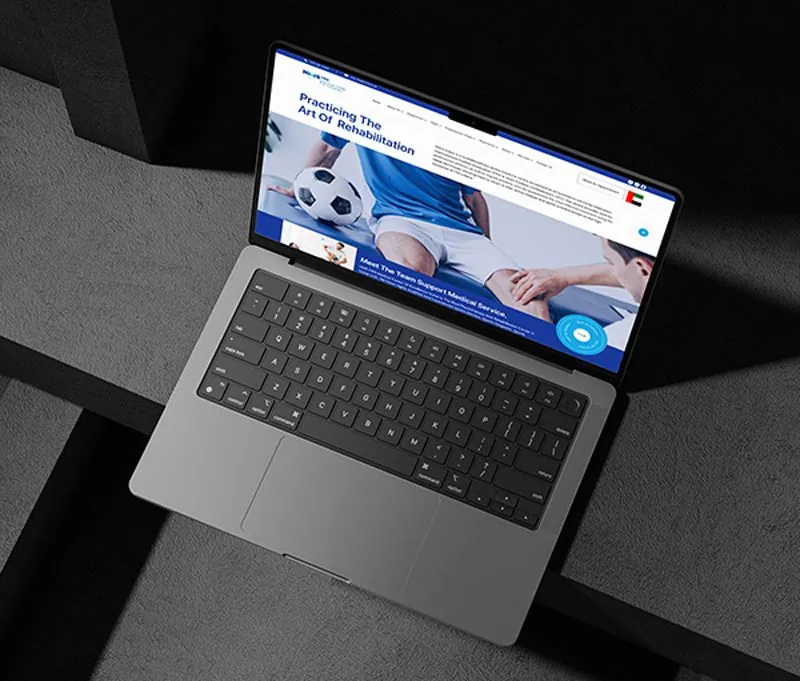
Website · Healthcare · Dubai
A Dubai rehabilitation and physiotherapy practice with one properly bilingual site in English and Arabic.
hmsfmce.com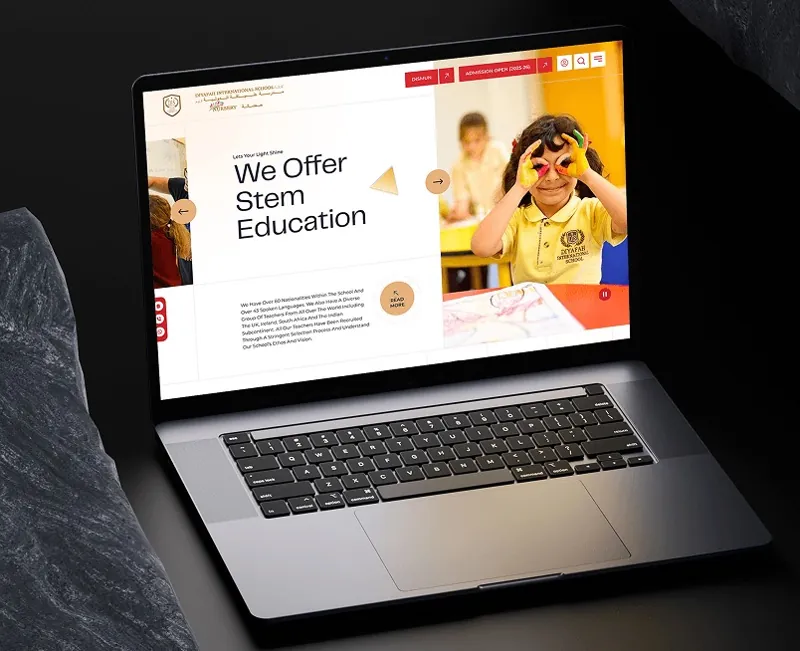
Website · Education · Dubai
One of Dubai's most diverse schools, 2,400+ students and 40+ nationalities, connected across campuses.
aldiyafah.com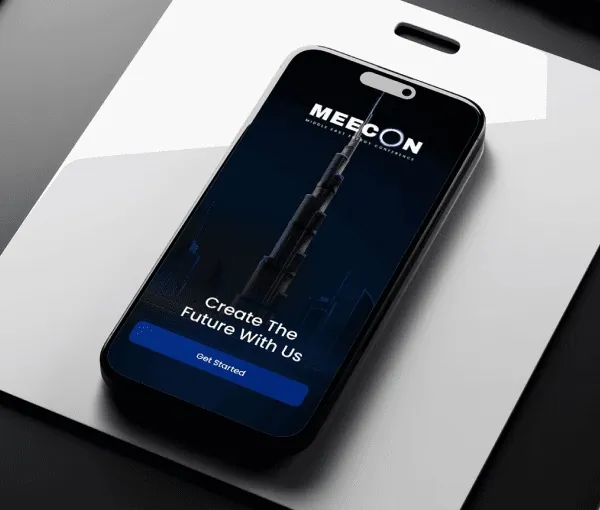
Mobile app · Events · UAE
A UAE conference platform replacing printed programmes and email chains for delegates and organisers.
meecon.aeStraight answers
Dubai Health Authority guidance on medical advertisement content sets specific conditions for this: photos should be of the same patient, taken with the same lens, without enhancement, and shown with a written disclaimer that results vary between individuals. Any use of patient images also needs documented written consent, reviewed against current DHA guidance before publishing, and this page is not legal advice.
It is reasonable to say that some insurance plans cover bariatric procedures under certain conditions and that your team helps patients check their policy, without stating which insurers or plans qualify, since that depends on each patient's individual policy and changes over time.
DHA guidance asks that any claim about treatment outcomes be substantiated and include associated risks, and separately lists phrases suggesting a treatment is certain or always effective as unacceptable. A bariatric surgery page is safer describing the programme and the surgical options than stating a specific expected result.
Yes, since a bariatric programme is a team effort. Patients researching surgery are usually looking for evidence that ongoing support exists beyond the operating theatre, and a page introducing the wider team answers that before they ask.
Every project gets a fixed written quote scoped to your brief, sent within 45 minutes during business hours with no obligation. The number of procedures covered, booking and intake functionality and languages needed are the main cost drivers.
Sources
Fixed price, in writing
Got it. Your quote is being written now.
In business hours you will have it within 45 minutes. Check your inbox for the confirmation.