
Dating app photo verification
A live selfie check against uploaded profile photos, reducing impersonation and fake profiles before a user ever gets a match.
Web Design by Industry
Dating app development in Dubai for matchmaking and dating platforms, built around profile verification, moderated messaging and the data handling a sensitive personal app needs.
A dating platform asks people to hand over some of the most sensitive information they have, photographs, preferences, location and private conversations, in exchange for a chance at meeting someone real. Dating app development in Dubai has to earn that trust with working safety features, not just a polished swipe interface, because a single bad experience with a fake profile or an unmoderated message tends to end a user’s relationship with the app for good. This page treats the platform as a mobile app paired with a marketing website, since that is how most dating products in the UAE are actually built and run.
This page covers the features a dating platform needs, where UAE data protection law shapes how user information is handled, and what we ask for before a build starts. None of this is legal advice, and questions about how a dating business should be licensed and operated belong with your own legal advisor. Every decision described on this page, from verification to moderation to billing, is the kind of detail that shapes a fixed written quote for dating app development in Dubai.
Careful dating app development in Dubai also has to plan for launch day itself. A new platform with too few users feels empty and a poor first impression is hard to reverse, so the build usually includes a seeding or soft launch plan, often a single city or community first, before opening the platform more widely.
Core features
The matching interface is the easy part. Dating app development in Dubai lives or dies on the safety layer underneath it.
A live selfie check against uploaded profile photos, reducing impersonation and fake profiles before a user ever gets a match.
A reporting button on every conversation, automated filters for obvious abuse, and a queue a real person reviews within a set time.
Settings that let a user control who sees their profile, block a match instantly, and delete their account and data cleanly if they choose to leave.
In app purchases and subscription tiers handled through the platform’s own payment system, since app stores generally require this for digital features.
A signup flow that confirms a user meets the minimum age for the platform before an account is created, not after.
A bilingual marketing site and app interface, since a meaningful share of the UAE’s dating audience will prefer to browse in Arabic.
Who commissions the build
The person who briefs dating app development in Dubai is rarely a single marketing manager. Founders of matchmaking businesses tend to be hands on with the brief themselves, since the matching logic and the tone of the platform are close to the product itself, not a detail to delegate. A venture backed dating startup usually has a product lead who owns the roadmap and a separate compliance or trust and safety lead who has to sign off the reporting flow before launch, and the two do not always agree on priority. A traditional matchmaking agency adding an online booking layer to an existing introductions service is different again, since the person signing off the work is often the agency owner, and the website has to represent a service that is already personal and vetted rather than automated.
Whoever signs off the brief for dating app development in Dubai, the first meeting usually covers the same three questions: how matches are found and shown, how a fake or abusive user is stopped before they damage another member’s experience, and how the app makes money without the paywall feeling like it is blocking safety features. A written answer to all three, before development starts, saves rework later.
Two different builds
Dating app development in Dubai covers two genuinely different businesses, and the website has to match the one being built.
| Matchmaking service | Swipe based dating platform | |
|---|---|---|
| How a match happens | A matchmaker reviews an intake profile and introduces two members directly | An algorithm surfaces profiles based on preferences and activity, and members choose |
| What the website needs | A detailed intake questionnaire, a private client area, and a way for the matchmaker to manage a caseload | A public facing app store presence, a fast signup flow, and in app screens more than website pages |
| Where trust is built | Through the matchmaker’s own vetting, before two people ever speak | Through verification, moderation and a visible reporting flow, since strangers are messaging directly |
| What the marketing site sells | Confidence in the service and the person running it, closer to a consultancy site than an app site | Downloads and signups, closer to a conventional consumer app marketing site |
Some businesses in Dubai run both: a matchmaking service for a paid tier and an open platform for a wider audience. Where that is the plan, the website usually needs two distinct paths from the homepage, not one blended page trying to sell both models at once.
What a visitor came to do
Someone signing up for a dating platform is already nervous about being judged, scammed or wasting time. The site has to move them past that quickly.
This happens in seconds, on the homepage or the app store listing, before a single detail is entered. A vague description with no mention of verification or moderation reads as risky, and a visitor who feels that will close the tab rather than read further.
Long, generic sign up flows are where dating app development in Dubai loses people fastest. A profile builder that asks for the right information in a sensible order, with a visible reason for each question, keeps someone moving rather than abandoning halfway.
A selfie check that fails repeatedly, or a verification step that is unclear about why it is needed, is a common exit point. The interface has to explain what is happening and roughly how long it takes.
An empty or thin match screen in the first session is often fatal to retention, which is why a soft launch plan and a realistic first market matter as much as the matching logic itself.
If reporting a message takes more than two taps, or a user cannot tell whether a report actually did anything, they lose trust in the whole platform, not just that one conversation.
Handling sensitive data
Dating platforms handle some of the most personal data an app can collect, so data handling deserves more attention here than on a typical consumer app. The UAE’s Federal Decree-Law No. 45 of 2021 on the protection of personal data sets out that businesses must obtain consent before processing personal data, secure it and maintain its confidentiality, and give individuals the ability to request corrections or restrict how their data is used, with oversight from the UAE Data Office.
For a dating app, that translates into practical build decisions: a clear consent step during signup rather than a buried terms link, photos and messages stored securely rather than in an open file store, and an account deletion process that genuinely removes personal data rather than just hiding a profile from view. None of this replaces proper legal advice on how the law applies to your specific platform.
Practical risk
Most dating app problems are trust problems, not technical ones, and they show up fast in app store reviews.
| Common problem | What we build to reduce it |
|---|---|
| Fake or duplicate profiles | Photo verification plus a report and review flow, rather than trusting signup alone |
| Content that does not fit local norms | Moderation rules written for the market the app actually operates in, reviewed regularly |
| App store rejection over safety features | Reporting, blocking and age checks built in from the first submission, not added after a rejection |
| Users unsure how their data is used | A plain language privacy explanation shown before signup, not buried in a long policy document |
Screens beyond the app store listing
A dating platform is built from screens a typical business app never needs, each with its own states and rules.
Photos, prompts and preferences collected in stages rather than one long form, with a visible progress indicator and a clear minimum before a profile goes live.
Age range, distance, and the specific preferences the platform is built around, stored in a way the matching logic can actually query quickly as the member base grows.
An internal screen where a moderator sees a reported profile or message with its context, actions it (warn, suspend, remove) and logs the outcome, separate from anything a member ever sees.
Matched but not yet messaged, an expiring match that needs a nudge, and a blocked conversation that must disappear from both sides at once, not just one.
A subscription screen that states plainly what a free member can and cannot do, since a paywall that feels like it is hiding basic safety features damages trust rather than converting a member.
A member who leaves the platform needs to see their profile, photos and messages genuinely removed, not just hidden from other members while the data sits untouched.
Data that moves constantly
A dating platform’s data changes by the minute, not the month. Profiles are edited, photos are added and removed, matches expire, subscriptions renew or lapse, and reports arrive at unpredictable times. Dating app development in Dubai has to plan for that pace from the database structure up, not bolt it on after launch.
Most of this data has an obvious owner inside the business: the product or community team keeps moderation policy current, a payments or finance contact reconciles subscription revenue against the app stores’ own reporting, and a designated moderator or small team works the reporting queue during defined hours. A platform that has not assigned these roles before launch usually finds that reports pile up and nobody notices until a member complains publicly.
Integrations
A handful of third party services do most of the heavy lifting behind a dating platform, and each one solves a specific problem, not the whole safety picture.
Handles the live selfie comparison against profile photos. It confirms a photo match, not a person’s intentions or age documentation, unless a separate identity check is added.
Apple and Google generally require their own in app purchase systems for digital subscriptions sold inside an iOS or Android app, which shapes how a subscription paywall is built and priced.
Handles match alerts and message notifications, with its own rules on what can be shown on a lock screen, since a notification that reveals too much on a shared or family phone is a real complaint category for dating apps.
Screens obvious abuse in photos and messages before a human ever sees it, reducing the volume a moderation team has to review manually, without replacing human review for judgement calls.
Tracks where members drop out of signup, verification and the paywall, which is usually more useful early on than broad marketing analytics.
Handles account confirmation, password resets and safety notices, kept separate from marketing messages so a member never misses something that actually matters.
Payment and subscription handling
Most dating platforms earn through a subscription rather than a one off fee, and how that subscription is billed depends heavily on where the payment happens. Inside an iOS or Android app, digital subscriptions generally have to go through Apple’s and Google’s own in app purchase systems rather than an external card processor, which affects both the price shown to the member and the cut the platform keeps. On the marketing website itself, where a visitor is not buying a digital app feature, a conventional UAE payment gateway can process a card payment directly.
A matchmaking service selling a higher value package for a vetted introductions service is different again, since that is closer to a professional service fee than an app subscription, and is usually billed through a website checkout or an invoice rather than an app store.
Search behaviour
A research search and a ready to join search need different pages, and dating app development in Dubai should plan for both.
Someone researching a dating platform before committing is usually comparing safety and audience: how verification works, what happens if they report someone, and whether the platform is aimed at the kind of relationship they are actually looking for. Those questions are best answered on the marketing website itself, in plain sections rather than buried in an app store description, since a visitor deciding whether to trust the platform with their photos rarely wants to download an app first to find out.
Someone closer to joining is typically searching by app name, by comparing two specific platforms, or by looking for reviews and complaints. That visitor is looking for reassurance and a direct path to download or sign up, not another explanation of the concept. The app store listing itself does most of this work, which is why the screenshots, description and review responses matter as much as the marketing website for a platform that lives primarily as an app.
Build and content
A dating platform build moves quickly once this is ready.
Written rules for what is and is not allowed on the platform, and who reviews reports once the app is live.
Whether photo verification, a paid identity check, or both will be used, since this shapes the signup flow.
Which features sit behind a subscription, and how that maps to the payment rules of the app stores you will publish to.
Confirmation from your legal advisor that the platform’s operating model and content standards are settled before development begins.
The app and marketing site build, hosting and handover sit under website development, and the matching, verification and messaging flows are planned as UI UX design. Once live, visibility for the marketing site continues under SEO services.
Fake profiles and the law
Fake accounts are not only a product problem for a dating platform, they sit inside UAE federal law. The Federal Decree Law No. 34 of 2021 on Countering Rumours and Cybercrimes, published on the official UAE Legislation portal, includes an article on creating fake emails, websites and electronic accounts, alongside separate articles covering defamation and slander and the invasion of privacy. Reading the law does not tell a website team exactly how to design a report button, but it does confirm that impersonation and fake accounts on a platform like a dating app are treated as a real offence in the UAE, not just a platform policy breach.
For dating app development in Dubai, the practical takeaway is that a platform’s own reporting and verification tools sit alongside a legal route a victim of impersonation or harassment can also take, and a platform’s terms and safety pages should not suggest that reporting inside the app is a member’s only option. None of this is legal advice, and how a specific incident should be handled is a question for a lawyer, not a website brief.
Verification confirms a photo match, not a person’s intentions, which is why moderation and reporting matter as much as the signup flow.
Content to gather
The technical build for dating app development in Dubai moves quickly once this content is actually written down.
What is and is not allowed, in enough detail that a moderator can apply it consistently. This is the piece that most often only exists as an idea rather than a document when a brief arrives.
Whether photo verification alone is enough, or a paid identity check sits behind higher tiers, decided before the signup flow is designed rather than argued over mid build.
Which features are free, which sit behind a subscription, and how that maps to app store billing rules, agreed before screens are designed around it.
Copy for a dating platform has to read as warm and safe rather than clinical or, at the other extreme, overly casual, and this usually needs its own short brief separate from the general brand guidelines.
A first city, workplace network or community the platform seeds with early members, since a launch with no answer to this question usually launches to an empty room.
Screenshots, description and category, prepared to the app stores’ own safety review standards for social and dating apps, which are stricter than most categories.
Launch order
Dating app development in Dubai almost always launches narrower than the eventual product. A first release usually covers profile creation, photo verification, a working matching or browsing screen, basic messaging, reporting and blocking, and a single subscription tier. Everything else waits, deliberately, so the safety layer is solid before the member base grows.
A sensible phase two adds the features that make sense once real usage data exists: richer matching preferences, a second subscription tier, event or community features if the platform is building toward more than one on one matching, and deeper moderation tooling once the team can see what kinds of reports are actually coming in. Building all of this before launch usually just delays the point where real members start using the platform.
Arabic and the UAE audience
A meaningful share of the UAE’s dating audience will read and write in Arabic, and a platform built only in English is closing a door on part of its own market.
Arabic on a dating platform is not just a translated marketing site. Profile prompts, safety messaging and app store descriptions need genuine Arabic content written for the tone the platform wants, with proper right to left layout in both the app and the marketing site, rather than a mirrored English layout. Moderation also needs someone who can read reports and flagged content in Arabic, since automated filters alone tend to miss context that a human reviewer would catch immediately.
How directly a platform should address cultural expectations around dating in its Arabic content, and in its English content aimed at a Dubai audience, is a judgement call for the founders and their own legal and cultural advisors, not something a website brief can settle. What the build can do is make sure the tone, safety messaging and verification explanations exist properly in both languages from day one, rather than Arabic arriving as an afterthought once the app is already live.
What goes wrong
Most of the problems below are avoidable with planning, not extra budget.
| What we see | Why it costs trust |
|---|---|
| A signup flow with no explanation of why verification is needed | Members abandon rather than trust an unexplained request for a selfie |
| A report button that gives no confirmation anything happened | A member who reports abuse and hears nothing back assumes the platform does not care |
| A paywall that hides basic safety features, not just premium ones | Reads as the platform valuing revenue over member safety, which is difficult to recover from publicly |
| A privacy policy that does not match what the app actually does | Creates a gap between what is promised and what is true, which is exactly what data protection rules are designed to catch |
| Arabic added as a translated afterthought, not designed in | Reads as a lower priority audience, on a platform where tone matters more than most |
Measuring success
The numbers that matter are about trust and retention, not just downloads.
Download and signup numbers are the easiest thing to track and usually the least useful on their own, since a platform that gets a burst of signups and then loses most of them within a week has a retention problem the download figure hides completely. More telling numbers are how many people complete verification after starting it, how many matched members actually send a first message, and how quickly a reported profile is actioned once a report comes in.
Retention on a dating platform is unusually binary: a member either finds the experience worth returning to within the first few sessions, or they delete the app and rarely come back. That makes the early experience, from signup through the first few matches, the single most important thing to watch closely after launch, more than broader marketing metrics.
None of these numbers replace a founder or product lead actually reading a sample of reported conversations each week. Dashboards can show that reports are being closed quickly, but only a human reading a handful of real cases can tell whether the moderation team is applying the written policy consistently, or quietly making inconsistent judgement calls that a member would notice if they compared notes with another member. This kind of spot check takes little time to run and tends to catch problems with dating app development in Dubai long before they show up as a drop in retention or a wave of one star app store reviews.
Licensing and operating context
How a matchmaking or dating business should be licensed, and what a platform is and is not permitted to present or promote in the UAE, depends on the specific licence activity, the emirate, and how the platform actually operates, and none of that is a question a web design brief can answer. This page deliberately does not state which trade licence activity covers a dating platform, or claim that a particular operating model is permitted, because getting that wrong on a marketing website is worse than saying nothing.
What we can say plainly is the practical risk: a platform that launches its marketing and its app store listing before licensing and content standards are settled with the relevant authority and legal counsel tends to spend more fixing pages, screenshots and policy wording after the fact than it would have spent settling this first. Our part of dating app development in Dubai starts once that groundwork is confirmed, and the build itself, moderation tooling, verification and data handling, stays the same regardless of the exact licence activity chosen.
Age and eligibility
An age gate at signup is the easy part. Making it mean something is the harder part.
Collected before an account exists, not as a checkbox added after the fact, and enforced consistently across the app and any website signup path.
A birth date field alone confirms nothing. Photo verification helps catch an obvious mismatch between a stated age and a profile photo, though it is not a substitute for a formal identity check if the platform decides it needs one.
Apple’s and Google’s own store policies for dating and social apps set baseline requirements around age and safety features that a listing has to meet before it is even reviewed, separate from any UAE specific consideration.
The signup, verification and eligibility flow is designed as part of UI UX design, and the underlying app, whether built for iOS, Android or both, sits under mobile app development. Where the team behind the platform needs additional engineering capacity for the matching and verification logic specifically, that is usually resourced through a mobile app developer working alongside the core build team.
Security beyond the app
A dating platform is a high value target for account takeover, since a compromised account can be used to scam other members directly.
Account security on a dating platform is not only about protecting the company’s own systems, it directly protects members from a specific and common scam: someone gaining access to another person’s account and using their existing matches and conversation history to run a romance scam under a trusted profile. Strong password rules, optional two factor login and rate limiting on login attempts all reduce this risk, and they sit alongside the data protection measures covered earlier on this page rather than replacing them.
Where a platform wants a fuller security review of its infrastructure, separate from the website and app design work, that is cyber security work rather than something covered inside a web design brief, and is worth commissioning once the platform has real member data to protect.
After launch
A dating platform is never really finished, and treating dating app development in Dubai as a one time build tends to show within a few months of launch.
Once a dating platform is live, dating app development in Dubai usually shifts from building new screens to tuning the ones that already exist: adjusting the matching logic as the member base grows, reviewing moderation policy against the reports that actually come in, and refreshing the app store listing as competitors change theirs. Treating dating app development in Dubai as finished at launch is a common reason a platform’s early momentum fades, since the safety and trust work that keeps members returning has to keep pace with a growing and changing member base.
The team responsible for ongoing dating app development in Dubai also has to watch how the app stores themselves change their rules for dating and social categories, since a policy update that was fine at launch can require a screen to be reworked later. Budgeting for this kind of maintenance, rather than assuming the initial build covers everything indefinitely, is one of the more practical pieces of advice for anyone starting dating app development in Dubai for the first time.
For a matchmaking business layering online booking onto an existing personal service, dating app development in Dubai looks a little different again: the website and any client portal need periodic review as the matchmaker’s process evolves, but the pace of change is usually slower than on an algorithm driven platform, since the trust being sold sits with the matchmaker rather than with the software.
Related industries
Shares the same need for trust, verification and moderated user generated content.
Relevant for the data protection and access control side of a sensitive app.
Another subscription led app product with similar billing and content review questions.
See the full range of industry pages we design and build for.
Selected work
Work across sectors, with the closest to this industry shown first. Every one is a live site, not a mockup.
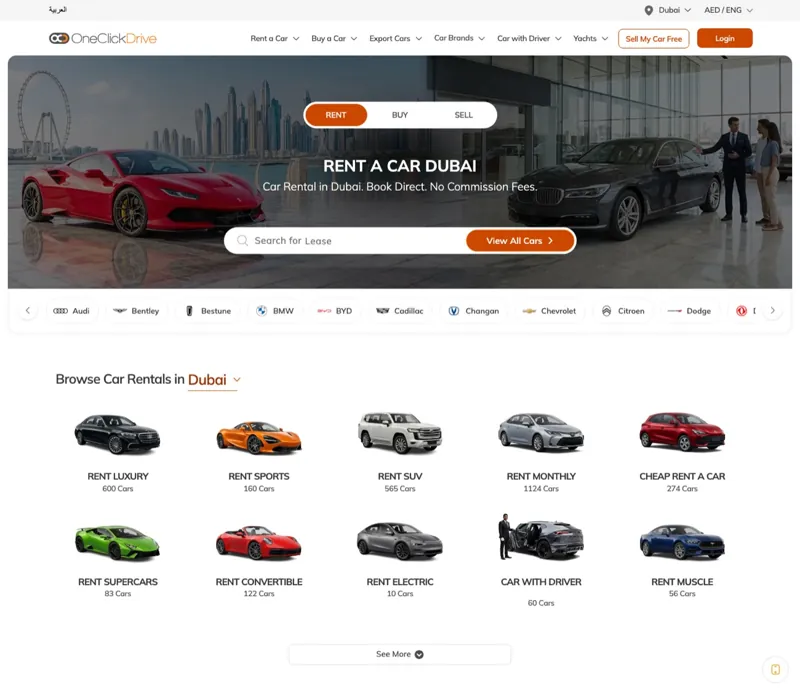
Platform · Car rental · UAE
A car rental marketplace where suppliers list fleets and renters compare and book, under real traffic.
oneclickdrive.com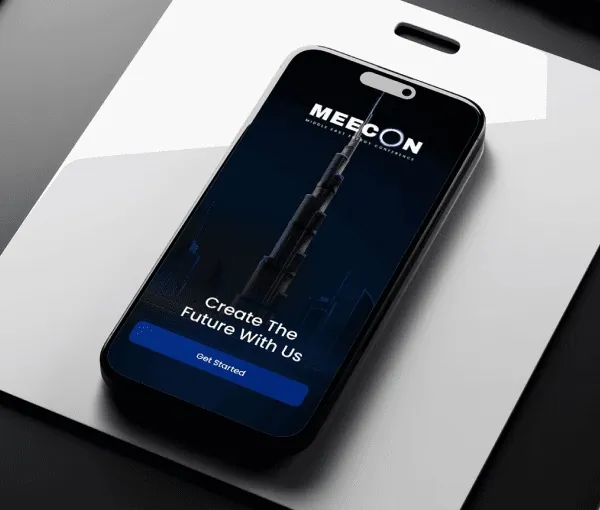
Mobile app · Events · UAE
A UAE conference platform replacing printed programmes and email chains for delegates and organisers.
meecon.ae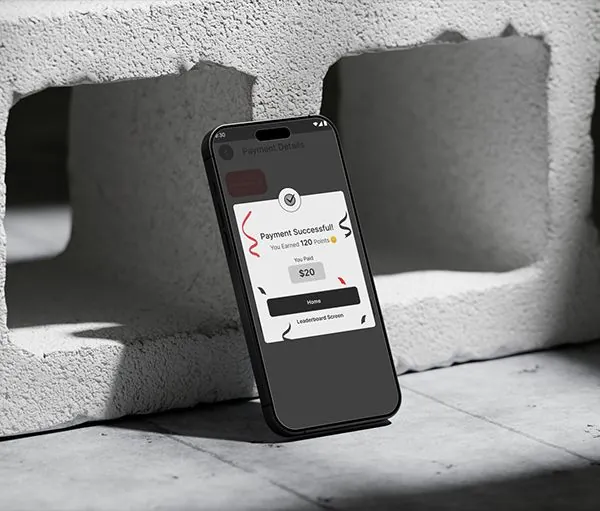
Mobile app · Fintech · United States
A fintech platform connecting merchants, customers and charities in a single payment flow.
purposepayment.comStraight answers
Running a dating platform is a business decision that depends on your licence activity and how the app is presented and moderated, and that is a question for your legal advisor and the licensing authority, not something answered by a website brief. This page focuses on the technical and content decisions once that groundwork is in place, and none of it is legal advice.
UAE Federal Decree-Law No. 45 of 2021 on the protection of personal data requires businesses to obtain consent before processing personal data and to secure it appropriately, which matters more on a dating platform than most apps because the data involved, photos, preferences and messages, is unusually sensitive. Current requirements should be confirmed with your own legal advisor.
Photo verification, comparing a live selfie against profile photos, is a common baseline feature. It reduces impersonation but does not remove the need for a moderation process, since verification confirms a photo match, not a person's intentions.
At minimum, a reporting flow and a person who reviews flagged profiles and messages promptly. A platform that lets harmful content sit unreviewed for days loses trust quickly, and trust is most of what a dating platform is selling.
Every project gets a fixed written quote scoped to your brief, sent within 45 minutes during business hours with no obligation. Matching logic, verification, moderation tools and payment integration are the main cost drivers.
Sources
Fixed price, in writing
Got it. Your quote is being written now.
In business hours you will have it within 45 minutes. Check your inbox for the confirmation.