
Doctor website professional profile
Qualifications, training, specialty and years in practice, stated plainly and without superlative claims, since the profile page is usually the first thing a referring patient checks.
Web Design by Industry
Doctor website design in Dubai for a solo practitioner or small specialist practice, built around one clear professional profile rather than a large multi department site.
An independent doctor or a small specialist practice does not need a site built for a hospital group. A patient searching for a named specialist in Dubai usually already has a referral, a recommendation, or a specific condition in mind, and wants to confirm one doctor’s qualifications, approach and availability quickly, which is exactly what doctor website design in Dubai has to deliver fast. Doctor website design in Dubai for a solo practitioner works best as a focused profile: who the doctor is, what they treat, and how to book, rather than a sprawling site built for departments that do not exist.
This page covers what a single practitioner site needs, where DHA advertising guidance shapes how a doctor can describe their own experience, and what we ask for before a build starts. None of this is legal advice, and current advertising rules should always be checked directly with the Dubai Health Authority.
Good doctor website design in Dubai also has to survive the doctor changing clinic, adding a second location or bringing on a colleague later. A profile built around one practitioner should still make sense in two years, so we plan the structure to grow without a rebuild, rather than boxing a busy practice into a template meant for a single, unchanging page.
Core pages
A one person practice benefits from fewer, stronger pages rather than a large structure copied from a hospital site.
Qualifications, training, specialty and years in practice, stated plainly and without superlative claims, since the profile page is usually the first thing a referring patient checks.
Short pages for each condition or service treated, written for a patient searching by symptom or diagnosis rather than by medical terminology alone.
A simple form or calendar suited to the actual size of the practice, rather than automated scheduling that implies a large team behind the scenes.
A short page telling another doctor how to send a referral letter and what information helps a first appointment run smoothly.
A general statement about accepted insurers and how to check coverage, without publishing figures that change and vary by policy.
A bilingual profile page at minimum, since many patients search for a specialist in Arabic before they search in English.
Advertising rules
DHA guidance for medical advertisement content sets out what a healthcare professional’s own social media and advertising can and cannot say. Acceptable content includes a factual statement of services offered, office hours, languages spoken, and the schools and training programmes a doctor has graduated from together with the qualifications received. The same guidance rules out claiming a doctor has an exclusive or unique skill, or that their services are superior to those of another registered health professional.
Because a solo practice often relies heavily on the doctor’s personal reputation, it can be tempting to lean on informal praise or a strong personal brand. DHA guidance instead points a doctor website toward substantiated, factual content: qualifications, affiliations, teaching positions and peer reviewed publications are all listed as acceptable, provided they are accurate and can be verified.
One person, one voice
A patient choosing an individual practitioner is deciding on a person, not an institution, which is the core idea behind doctor website design in Dubai for a solo practice.
| Hospital or clinic site | Independent doctor site |
|---|---|
| Multiple practitioner profiles and departments | One profile, written in more depth |
| Automated booking across many calendars | A single calendar, or a form confirmed personally |
| Reception and general enquiry lines | Direct contact that reflects how the practice actually runs |
A doctor website in Dubai that copies the structure of a large hospital site often ends up with thin, half finished pages for departments that do not exist. Careful doctor website design in Dubai favours one profile done properly over a padded imitation of a bigger practice.
Build and content
A single practitioner build is usually quick, provided this is ready.
Verified training, specialty, registration details and any teaching or publication history the doctor wants included.
A plain list of what the doctor sees patients for, in the words a patient would actually search.
Whether a calendar tool is already in use, or whether appointments are confirmed by phone, so the site matches the real process.
Who reviews wording about experience and outcomes before it is published, even for a single person practice.
Once this is in hand, doctor website design in Dubai for a single practitioner is one of the faster builds we run, since there is one voice to write for and no departmental structure to reconcile.
Building and launching the site is handled under website development, with the booking and enquiry flow planned as part of UI UX design. Once live, visibility for specialty and condition searches sits with SEO services.
The buyer
For a solo practitioner, the decision usually sits with the doctor themselves, often alongside a practice manager or a spouse handling the administrative side. That person cares less about visual trends and more about three practical things: whether the site will attract patients who actually fit the doctor’s specialty rather than generic enquiries, whether booking will genuinely reduce phone interruptions during clinic hours, and whether wording about experience will hold up if a patient or a colleague questions it. Where the practice has grown to two or three doctors, the same person usually still signs off, but now has to reconcile each doctor’s own preferences about how their profile reads.
In the first meeting, this person typically asks how quickly the site can go live, whether it can grow if a second doctor joins later, and who is responsible for keeping registration and specialty details correct once the site is published. Doctor website design in Dubai works best when these questions are answered before any page is drawn, not discovered halfway through a build.
The visitor’s journey
A patient arriving at an independent doctor website in Dubai has usually already done most of the deciding elsewhere, through a referral, a recommendation from someone they trust, or a search for a named specialist. What they want from the site is confirmation: that this is genuinely the right specialist for their condition, that the qualifications are real and current, and that booking will not turn into a dead end. The point where a weak doctor website loses that visitor is rarely the homepage, it is usually the moment they try to actually book and find an unclear form, no confirmation, or no indication of when they will hear back.
A second, smaller group arrives already holding medical records or scan results, looking specifically for a second opinion, and this group has a different, more sensitive need again, covered further down this page.
Credentials
DHA guidance is specific about what a healthcare professional’s own advertising should state, and a licence number sits at the centre of that.
DHA guidance for healthcare professionals on social media states they should clearly state name, title, professional qualification and speciality as per their DHA licence, and a website profile should follow the same standard.
A statement of the names of schools and training programmes a doctor has graduated from, together with the qualifications received, is listed as acceptable content and reads as more credible than a vague summary.
Hospital or clinic affiliations, current or former teaching positions at accredited institutions, and peer reviewed publications are all acceptable content, provided each is accurate and can be verified if questioned.
| Safe to state, per DHA guidance | Better left off a doctor website |
|---|---|
| Qualifications, training and specialty, factually stated | Unverified patient testimonials |
| Office hours and languages spoken | Absolute or superlative claims such as best or leading |
| Accreditation of the practice or setting | Comparisons to another named doctor or facility |
Booking
A single practitioner’s calendar behaves differently from a clinic’s shared booking system, and doctor website design in Dubai needs to reflect that honestly rather than borrowing a multi doctor booking widget that implies a bigger operation. Some practices prefer a request form that a receptionist or the doctor confirms personally within a stated window, which keeps control over how the day is structured. Others, particularly busier specialists, benefit from a genuine calendar showing real availability, provided it is connected properly and does not show slots that are actually already taken.
Either way, the confirmation step matters more than the booking mechanism itself. A patient who submits a request and hears nothing for days will often book elsewhere, and a simple automatic confirmation, followed by a personal message once the slot is set, closes that gap without needing complex software.
Second opinion and telehealth
On doctor website design in Dubai, a patient seeking a second opinion is usually further along than a first time visitor: they may already hold a diagnosis, scan results or a previous doctor’s report, and want to know before they travel or commit to an in person visit whether this doctor can genuinely help. A second opinion enquiry form that allows a short description of the condition and an optional, secure way to reference existing records, without inviting sensitive files to be emailed insecurely, serves this visitor far better than the standard appointment form built for a routine consultation.
Telehealth is a separate, more regulated path again for doctor website design in Dubai. The Dubai Health Authority’s Standards for Telehealth Services set out that telehealth consultations must be delivered through a DHA licensed health facility using an accredited telehealth platform, and the standard explicitly excludes emergency cases needing immediate intervention and the prescribing of narcotic, controlled or semi controlled medication from telehealth delivery altogether. For an independent doctor, this means a website offering telehealth needs to be honest about what a remote consultation can and cannot replace, and should point clearly to in person care for anything the standard excludes.
Advertising content
Beyond the general rule against superlative claims, DHA’s guidance for medical advertisement content lists specific wording and content types it considers unacceptable, and a doctor website should be checked against these directly rather than relying on a general sense of good taste.
For doctor website design in Dubai, DHA’s guidance for medical advertisement content on social media lists words including unique, one of a kind, the best, exclusive, safest, incomparable, unprecedented, magic, miraculous and assured success as expressions that should not be used.
Claiming a service is superior to that of another registered health professional, and making negative statements against another healthcare professional or facility, are both listed as unacceptable.
Any statement implied or explicit about treatment outcomes must be substantiated and include the associated risks, which rules out casual mentions of results without the fuller context a patient needs.
This is not legal advice. Current requirements should be confirmed directly with the Dubai Health Authority before any page describing services, outcomes or experience is published.
A doctor website earns trust through what it can prove, not through the confidence of the language it uses.
Integrations
Each tool solves one part of the problem, and none of them removes the need for a doctor or receptionist to actually review what comes in.
| Integration | What it solves | What it does not solve |
|---|---|---|
| Calendar or booking software | Shows real availability and reduces back and forth over scheduling | Does not replace a human reviewing an unusual or urgent request |
| An accredited telehealth platform | Delivers a video consultation that meets DHA telehealth standards | Does not extend to cases the standard excludes, such as emergencies |
| Secure messaging for records or referrals | Lets a patient or referring doctor share documents safely | Does not replace formal health record systems for ongoing care |
| WhatsApp Business messaging | Gives patients a familiar way to ask a quick question | Should not be used for sensitive medical detail without care |
Search behaviour
A doctor website has to answer a research question and a ready to book question inside the same small structure.
| Research search | Ready to book search |
|---|---|
| What a condition or symptom generally means | The doctor’s name directly |
| Which type of specialist treats a condition | Specialist plus booking or appointment |
| Whether a second opinion is worth seeking | Specialist plus a specific insurer’s name |
No invented search volumes belong on this page, but the pattern holds regardless of specialty: condition pages written for the research visitor, and a short, specific profile and booking route for the visitor who has already decided. A homepage that only speaks to one of these slows the other down.
Content to gather
The most common delay on a solo practitioner build is not the website itself, it is waiting on verified detail about the doctor.
The exact title, specialty and licence status as currently registered, rather than an informal job title the doctor uses in conversation.
Dates, institutions and any peer reviewed publications, confirmed rather than approximated, since this content is meant to be verifiable if questioned.
Whether a calendar tool is already in use, and who currently confirms appointments, so the new site matches reality rather than an idealised process.
A properly translated profile and booking form, not a machine translated placeholder, particularly where the doctor’s own patient base is largely Arabic speaking.
Data that has to stay current
| Data on the site | How often it genuinely changes |
|---|---|
| Office hours and after hours arrangements | Occasionally, but must be caught immediately |
| Insurers commonly accepted | A few times a year at most |
| Teaching, publications and affiliations | Rarely, but worth a scheduled annual check |
| Telehealth or second opinion availability | As the doctor’s own capacity changes |
None of this needs a complex content system, but it does need one named person checking it on a schedule, since an independent practice rarely has a dedicated marketing team to catch drift on its own. A short quarterly pass through this table, alongside the compliance review of any promotional wording, is usually enough to keep a solo practice’s site trustworthy without turning it into an ongoing administrative burden.
Launch plan
The profile, conditions treated and booking or enquiry route should go live first, since these carry almost all of the value for a new patient. A referral page for other doctors, and a second opinion enquiry form, can follow close behind, since they serve a smaller but still important group of visitors.
A sensible phase two adds a proper telehealth booking path once the accreditation and platform are confirmed, a fuller Arabic version of condition pages, and a publications or teaching history section if the doctor’s profile benefits from it. Launching all of this at once usually means the core profile, the part that actually books a patient, takes longer to go live than it needs to.
Arabic and the second language
Arabic matters most exactly where a patient is deciding whether to trust this specific doctor.
A patient searching in Arabic for a named specialist, or for a condition they are worried about, is often doing so at a point of real concern, which is exactly why Arabic sits at the centre of doctor website design in Dubai, and a profile that only exists in English can feel like it was not written with them in mind at all. Bilingual Arabic and English work with proper right to left layout matters most on the profile page itself, the conditions treated pages, and the booking or enquiry form, since these are the pages that actually move a visitor toward contacting the practice.
Marketing style content, if the doctor wants any at all, can follow later. What should not wait is the functional core: a patient reading in Arabic should be able to understand the doctor’s specialty, see how to book, and trust that the page was written for them, not translated as an afterthought.
What goes wrong
These recur often enough across independent practices to name plainly.
A site copied from a large hospital’s template is a mistake in doctor website design in Dubai, with departments, teams and services that do not exist, which reads as hollow the moment a patient looks past the homepage.
A request sent into a general inbox that nobody checks daily is a common failure in doctor website design in Dubai, leaving a patient waiting days for confirmation and often booking elsewhere in the meantime.
Claims about being the best or a leading specialist, added because they read well, without anyone checking them against DHA guidance before the page went live.
Measuring success
The figures that matter for a solo practice are practical, not vanity metrics borrowed from a larger clinic.
For doctor website design in Dubai, whether booking requests are actually converting into confirmed appointments, and whether referral pages are being used by other doctors at all, and whether second opinion enquiries are the right fit for the doctor’s specialty, are the measures a practice owner recognises as meaningful. None of these can be promised in advance, and no benchmark numbers belong on this page, since every specialty and every doctor’s existing reputation is different.
A doctor website succeeds by making the right patient’s decision to book a little easier, not by chasing a headline number.
Comparing this month’s booking requests and referral page visits against last month is usually more useful than comparing against another practice, since there is no reliable public benchmark for an individual doctor’s website performance in Dubai that we would be comfortable citing.
It is also worth watching which condition pages actually bring in booking requests versus which only draw research visits that never convert into a message or a call. Over time this tells a doctor far more about where real demand sits than a raw visitor count ever could, and it gives a concrete reason to invest further in one condition page rather than guessing at what patients are actually searching for.
Condition pages
Within doctor website design in Dubai, a solo specialist can genuinely benefit from several short, focused condition pages, provided each one earns its place.
A single, well written page per condition the doctor actually treats, using the language a patient searches with rather than only clinical terminology, helps a worried visitor confirm quickly that they are in the right place. Each page should cover, in plain terms, what the condition is, what the doctor’s approach involves, and what a first consultation typically looks like, without straying into promised outcomes or recovery timelines, which DHA guidance treats carefully given the risk of creating unrealistic expectations.
Where a doctor treats a narrow set of conditions, three or four strong pages outperform a long list of thin ones padded out to look comprehensive. This is the same discipline that keeps a solo practitioner’s site from drifting into the sprawling, half finished structure a hospital site can carry but a one person profile cannot.
Keeping it current
A profile page that goes stale is worse than no profile at all in doctor website design in Dubai, since patients notice when a doctor’s stated title or availability does not match reality.
Any change to title, specialty or affiliation should be confirmed by the doctor personally before it reaches the site, since this is exactly the content DHA guidance holds them accountable for.
Whoever manages the calendar day to day should be the one flagging when office hours or after hours arrangements change, rather than leaving an outdated hours statement live for months.
Booking requests, referral messages and second opinion enquiries should all route to one person who is actually checking them daily, not a shared inbox nobody owns.
Referral network
Most referrals to an independent specialist still happen by phone or through a personal relationship between doctors, not through a form, which is a point doctor website design in Dubai has to accept rather than fight, and a doctor website should be honest about that rather than overselling a referral portal nobody will use. What the referral page can genuinely do is make the process smoother once a referral has already been decided: a short, clear statement of which conditions are seen, what a referral letter should include, and a direct route to send it, whether that is a secure upload, a fax number still in use by some Dubai clinics, or a named email address.
Where the doctor also receives self referred patients directly, the page should say so plainly, since a colleague assuming a formal referral is always required may otherwise hold back a patient who could simply book directly.
Insurance and fees
This is one of the first questions a prospective patient has, and it deserves a direct, honest answer even without publishing figures.
For doctor website design in Dubai, a general statement naming which insurers are commonly accepted, alongside a plain note that coverage depends on the patient’s specific policy and the service required, is more useful than silence and more honest than a definitive list that goes out of date the moment one insurer’s terms change. Where the doctor sees a meaningful number of self pay patients, a short note that a clear cost estimate is provided before any procedure, without publishing a price list, sets expectations without locking the practice into a figure that varies case by case.
For a second opinion enquiry specifically, stating upfront whether an initial review is chargeable or included saves both the doctor and the patient an awkward conversation later in the process.
Accessibility
A patient researching a specialist is often doing so during a stressful moment, and doctor website design in Dubai should not add to that.
A simple, predictable layout, with the profile, conditions treated and booking route easy to find, serves a worried visitor better than an elaborate homepage animation.
Some patients, particularly older ones or those dealing with a serious diagnosis, will always prefer to call, so a visible, working phone number matters as much as any digital form.
Writing condition pages for the patient searching by symptom, not only by medical terminology, makes the difference between a page that helps and one that reads as inaccessible.
Video and remote care
Once telehealth is genuinely available through an accredited platform, doctor website design in Dubai has one job: setting expectations correctly, not just add a video icon next to the booking button.
DHA’s telehealth standard requires health facility management to have documented policies covering patient identification, consent, and clinical care pathways with defined red flags for referral to in person or emergency care, and a website offering telehealth should reflect that same discipline in how it is presented. A short explanation of what a telehealth consultation can cover, what happens if the doctor decides an in person visit is needed instead, and how a patient’s identity and consent are handled, does more to build trust than simply listing telehealth as another appointment type.
Where a practice is exploring a dedicated patient app rather than a website booking flow for telehealth and follow up care, that is a larger and separate project, covered under mobile app development, and worth scoping only once the core website and its booking flow are working well.
Growing the practice
This is the moment doctor website design in Dubai built around one voice either flexes or has to be rebuilt.
The new doctor needs their own full profile with their own qualifications and specialty, not a duplicated page with a name swapped in, since patients notice generic content quickly.
A shared booking form has to make clear which doctor a patient is actually requesting, particularly if the two practitioners see different conditions or work different days.
The site’s tone was likely built around one person, so introducing a second voice may call for a small adjustment to how the practice, rather than just the individual, is described.
A single contact point that routes to the right doctor based on condition or preference avoids either doctor missing enquiries meant for them.
This is exactly the kind of change we plan for at the structural stage, so a second doctor joining later means adding a page, not rebuilding the site.
Staffing the enquiries
A profile page can be excellent within doctor website design in Dubai and still lose a patient if the enquiry that follows it goes unanswered for days.
Whether that is the doctor personally or a practice manager, someone specific needs to check booking, referral and second opinion enquiries every working day without exception.
A simple line such as enquiries are usually answered within one working day sets a fair expectation, and only ever states something the practice can actually keep to.
The site should be clear that it is not the right route for an urgent or emergency medical concern, and should point that visitor toward emergency care instead.
This staffing question is not a design decision, but it determines whether the booking form and second opinion enquiry actually work in practice or quietly become the part of the site nobody trusts after a few slow responses. Getting it right costs nothing to build, and it is one of the simplest improvements available to doctor website design in Dubai once the site itself is already live.
Feedback and complaints
A solo practice is more exposed to a single bad review than a large hospital with many departments, and the website should not make that worse.
Google reviews and similar public feedback sit outside doctor website design in Dubai itself, but how the site responds matters. A clear, low friction way for a genuinely unhappy patient to raise a concern directly, before it becomes a public review, gives the doctor a chance to resolve it. This is different from asking for testimonials on the site itself, which DHA guidance already rules out for regulated services, and different again from suppressing feedback, which is neither possible nor appropriate.
What the website can do honestly is describe how the practice handles feedback and, where relevant, complaints, in a short, calm paragraph rather than avoiding the subject entirely. A practice that appears to have no route for a concerned patient to be heard often looks less trustworthy, not more, to a careful reader.
Related industries
The wider pattern for a clinic or hospital with several practitioners.
A step up in size from a single practitioner to a small group practice.
The pattern at full department scale, where a doctor’s profile sits alongside many others.
A neighbouring specialty with its own procedure and gallery rules.
See the full range of industry pages we design and build for.
Selected work
Work across sectors, with the closest to this industry shown first. Every one is a live site, not a mockup.
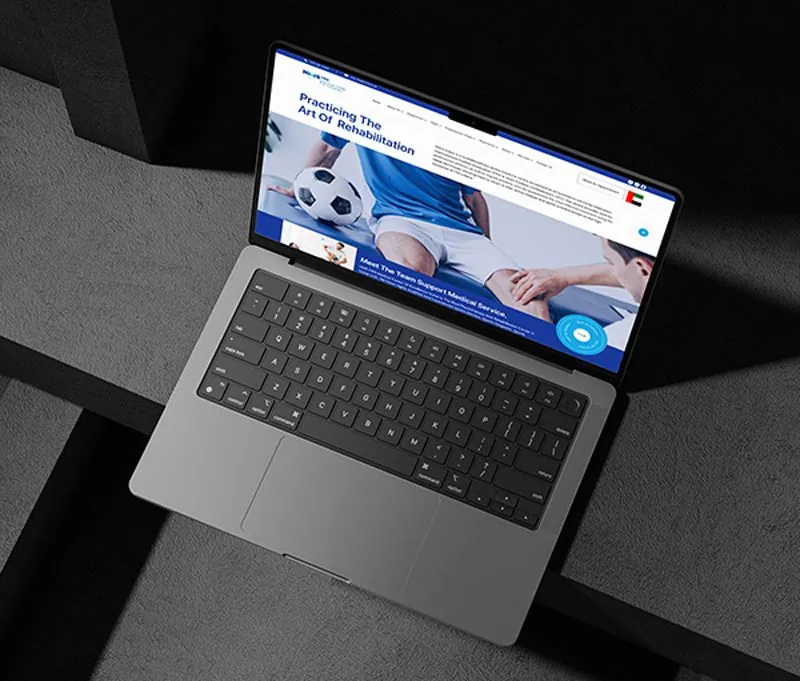
Website · Healthcare · Dubai
A Dubai rehabilitation and physiotherapy practice with one properly bilingual site in English and Arabic.
hmsfmce.com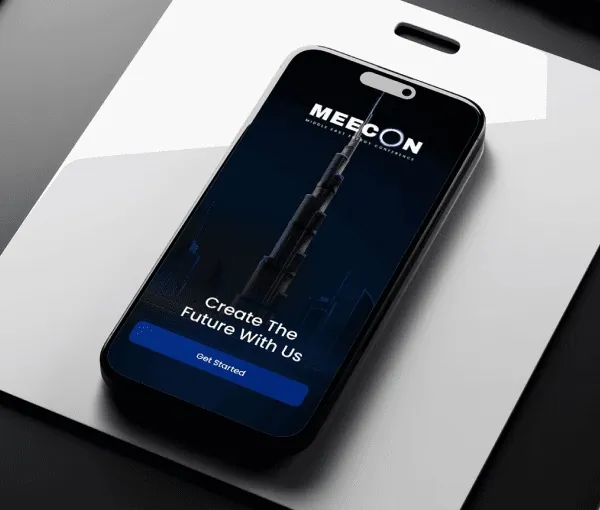
Mobile app · Events · UAE
A UAE conference platform replacing printed programmes and email chains for delegates and organisers.
meecon.ae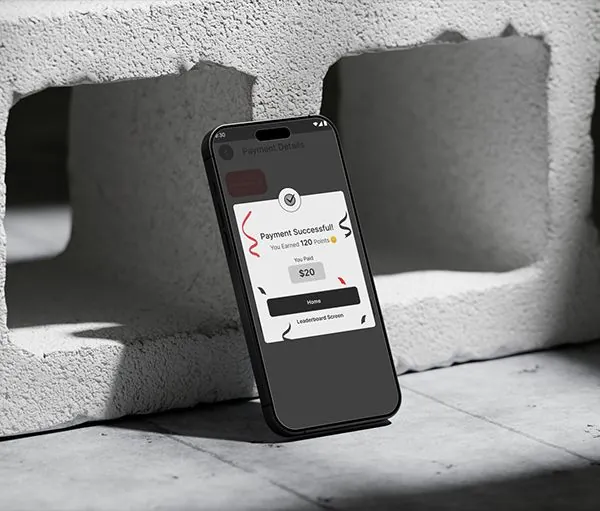
Mobile app · Fintech · United States
A fintech platform connecting merchants, customers and charities in a single payment flow.
purposepayment.comStraight answers
Dubai Health Authority guidance on medical advertisement content lists patient testimonials without written consent, and testimonials comparing different regulated health professions, among unacceptable content. A page built around documented patient satisfaction ratings, kept general rather than quoting individual outcomes, is a safer starting point, and current guidance should be checked directly with the DHA.
No. DHA guidance specifically lists superlative and exclusivity claims, such as best, leading or unique skill, as unacceptable content. A doctor website works better describing qualifications, experience and approach in plain, factual terms.
Yes, a short referral page with the information another doctor needs, such as which conditions you treat and how to send a referral letter, is useful even though most referrals still happen by phone or in person.
Not necessarily. Many independent practitioners are better served by a simple enquiry form that a receptionist or the doctor confirms personally, rather than an automated calendar that implies a larger practice than actually exists.
Every project gets a fixed written quote scoped to your brief, sent within 45 minutes during business hours with no obligation. The number of pages, languages and whether booking software needs connecting are the main cost drivers.
Sources
Fixed price, in writing
Got it. Your quote is being written now.
In business hours you will have it within 45 minutes. Check your inbox for the confirmation.