
A car rental website fleet browsed by category
Economy, SUV, luxury and van each attract a different search and a different visitor, so grouping the fleet by category beats one page listing every model.
Web Design by Industry
Car rental website design in Dubai built around a fleet browser by category, pickup and drop off locations, driver requirements and an enquiry flow that respects RTA oversight of the rental sector.
Most visitors to a car rental website already know roughly what they want: a car category, a set of dates, and a pickup point. What they are actually testing, often across three or four tabs open at once, is whether a company makes that easy to confirm without a phone call. Car rental website design in Dubai, done well, gets a fleet in front of the visitor fast, by category rather than a single long list, and get to an enquiry or booking before they close the tab.
Dubai’s rental market also splits sharply between tourists, who mostly want a short daily hire from the airport, and residents and businesses, who more often want a monthly rental or a fleet account. A site written for one crowds out the other unless the two paths are kept separate. This sits alongside our wider automotive website design work, on the same website development foundation as every build.
This page covers the pages a car rental website in Dubai actually needs, what current RTA guidance on driver licensing and Salik tolling means for a fleet page, and how a build fits around the availability data, deposit terms and enquiry flow a rental operator already runs day to day.
What the site has to do
A car rental website in Dubai rarely closes a booking on the fleet page alone. These are the pieces that usually decide it.
Economy, SUV, luxury and van each attract a different search and a different visitor, so grouping the fleet by category beats one page listing every model.
Airport pickup in particular is a deciding factor for a visitor arriving in Dubai, and it needs to be stated plainly rather than assumed.
A tourist booking three days and a company booking a car for three months are answering completely different questions, so each deserves its own page.
Minimum age, licence type and whether an international driving permit is needed stop an enquiry falling through once the visitor arrives at the counter.
What is covered, what is not, and what deposit to expect are common questions worth answering before a visitor has to ask.
Since the site does not publish prices, the enquiry flow has to feel quick, capturing dates, category and pickup point in one short step.
RTA oversight
Car rental companies operating in Dubai work under oversight from the Roads and Transport Authority, alongside the ordinary trade licence issued by the Department of Economy and Tourism. RTA’s own announcement of its Transportation Activities Rental System describes a platform built to regulate rental company operations and customer relationships across the sector, including smart rental contracts, and states that around 989 rental companies were already registered on it at launch.
The website does not need to explain this system to visitors, but the level of RTA oversight it reflects is a reason to keep rental terms, driver requirements and vehicle condition claims accurate rather than generic. This is not legal advice. What a specific listing can promise about vehicle age, mileage or availability should be confirmed against your own RTA registered terms, not copied from a competitor.
What loses a booking
A frequent problem on rental sites is a fleet page with no indication of what is actually available for the dates a visitor wants, so the enquiry feels like a guess rather than a booking. A visible calendar or a simple availability note by category reduces that uncertainty without needing a full live booking engine.
A car rental website in Dubai has a second common gap: trust for first time visitors, particularly tourists. A page that shows real vehicle photos, clear insurance terms and an honest deposit figure outperforms one that only lists model names, because the visitor is often comparing an unfamiliar company against a brand they already recognise.
Two kinds of hire
A car rental website in Dubai that treats these as one page usually serves neither visitor well.
| Aspect | Daily and short term hire | Monthly and long term rental |
|---|---|---|
| Typical visitor | Tourist or a short business trip | Resident or a business fleet need |
| Deciding factor | Airport pickup and quick confirmation | Total monthly cost and maintenance included |
| Page focus | Fleet by category with fast enquiry | Account setup and fleet size options |
| Common question | Is an international licence enough | Is maintenance and insurance included |
The person approving a car rental website in Dubai is usually the operations manager or the owner of a smaller fleet business, and what they get measured on shapes what they ask for in the first meeting. Fleet utilisation sits at the top of that list: a car sitting idle in the yard earns nothing, so the operator wants a site that fills gaps in the calendar rather than one that just looks presentable. The second measure is how many enquiries turn into a confirmed booking without a long back and forth, since a rental team answering the same basic questions by phone all day has less time for the bookings already on the books.
A larger fleet operator with a corporate account book asks a different first question: can the site separate a one off tourist enquiry from a business wanting ten vehicles on a monthly contract, and route each to the person who actually handles that kind of deal. A car rental website design project in Dubai that opens with these questions, rather than starting from a template and working backwards, tends to end up with a site the operations team actually uses day to day.
Control over content comes up in the same conversation. Rates change with demand, sometimes daily during a busy season, and an operator wants to know who can update fleet availability and category detail without waiting on a developer each time. Car rental website design in Dubai that puts this in the owner’s hands from day one, rather than treating it as a phase two request, tends to stay accurate for far longer after launch.
The visitor
A car rental website in Dubai serves several different visitors from the same fleet, and a page written for one often fails the rest.
They usually land on the site straight from a flight search or a hotel booking, comparing three or four companies on airport pickup and category before they settle on one. They leave when a site buries airport pickup or makes them guess whether a category is even available for their dates.
They want to know what is included, insurance, maintenance, Salik handling, before they compare a total monthly figure against buying outright. They leave when a monthly page reads like the daily page with the word changed, giving them nothing that answers their actual questions.
They want a account level conversation, not a one car enquiry form, and they are usually comparing a handful of suppliers on reliability as much as rate. They leave when there is no visible route to a corporate enquiry, and they are left guessing whether the company even handles fleet accounts.
Fleet data
Availability is the single piece of data that decides whether a car rental website in Dubai earns an enquiry or loses one. Most fleet operators already track which vehicle is out, due back, or in for servicing through a rental or fleet management system, and the website works best when it reads directly from that same record rather than keeping its own separate, and inevitably slower to update, version. A vehicle shown as available on the site while it is actually out on hire until the following week produces an enquiry that wastes both the visitor’s time and the rental team’s.
How often that data needs to refresh depends on fleet size. A small operator with a handful of vehicles can reasonably update availability once or twice a day by hand. A larger fleet, particularly one running short daily hires where a vehicle can turn over more than once in a week, needs something closer to a live connection, or visitors will keep enquiring about vehicles that were never really free for their dates.
Driver requirements
RTA’s own International Driving Licence service page states that the service is for citizens and residents who already hold a valid Dubai issued driving licence, describing it as a document valid in other countries when presented alongside the original UAE licence, and explicitly not valid for use inside the UAE itself. That detail matters for a car rental website, because it clarifies that an international driving licence is something a UAE resident applies for to drive abroad, not the document a visiting tourist needs in order to rent a car in Dubai.
For a tourist or a new arrival, the practical requirement is closer to the reverse: a valid driving licence from their home country, in some cases alongside an international driving permit obtained before travelling, depending on where that licence was issued. Since the exact rules depend on the visitor’s home country and change from time to time, a car rental website in Dubai does best to state the general expectation clearly and direct visitors to confirm their specific case with the company at enquiry stage, rather than publishing a rule that may not hold for every nationality. This is not legal advice, and driver eligibility should be confirmed against current RTA guidance for the visitor’s specific licence and residency status.
Deposit and insurance
A deposit is one of the questions almost every first time renter asks, and a car rental website in Dubai that leaves it unanswered pushes that question into a phone call the rental desk would rather not be fielding. The site does not need to state an exact figure, since deposit amounts often vary by vehicle category, but it should explain plainly how a deposit is held, typically as a hold on a card rather than a cash charge, and roughly when it is released after the vehicle is returned.
Insurance cover works the same way. A visitor wants to know, in plain terms, what basic cover includes, what it excludes, and whether additional cover is available for extra peace of mind, before they ever reach the counter. Leaving this vague until pickup is a common source of an unhappy first experience, and it tends to show up in reviews far more than a pricing question ever does.
Salik and fines
Salik is Dubai’s electronic toll system, and the Dubai Government’s own page on the road toll confirms that all vehicles, including taxis, are charged a variable toll fee when passing through a Salik gate, with rates that depend on the time of day, and that a vehicle owner is responsible for keeping their Salik tag funded, since passing a gate without an active tag or sufficient balance can lead to a penalty. For a rental company, that responsibility sits with the fleet owner until the moment the car changes hands, so most operators fit vehicles with an active Salik tag and recover the toll charges, and often a small handling fee, from the renter afterwards.
Traffic fines work in a broadly similar way in practice. A speed or parking camera records the offence against the vehicle’s registration, the fine initially reaches the rental company as the registered owner, and the company then identifies which rental agreement covers that date and recovers the fine from the renter. A car rental website in Dubai does a renter a real favour by explaining this process plainly before they drive off, since a fine or a stack of toll charges arriving on a card weeks after a trip is one of the more common sources of a dispute and a bad review. This is general information, not legal advice, and current Salik rates and fine handling should always be confirmed directly with Salik or RTA.
The enquiry
A car rental website in Dubai earns its keep at the exact point a visitor moves from browsing the fleet to sending an enquiry, and this step fails more often from what the form asks than from how the site looks. A visitor who has already picked a category and settled on dates wants to state that and hear back quickly, not fill in a long form covering every detail a booking agent could eventually need. Asking for a driving licence number, full address and payment details before a rate has even been confirmed puts a wall in front of a visitor who was moments from a booking.
What travels with the enquiry matters as much as the form fields themselves. A booking agent who receives “interested in a car” with no category or dates attached has to chase basic details before they can even quote a rate, and by the time they reply the visitor may already be looking at a competitor’s fleet instead. An enquiry that carries the category, dates, pickup location and preferred contact method routes straight to an accurate quote, and reads as a site built specifically for a rental business rather than a generic contact form with a car icon added to it.
Most car rental research in Dubai now happens on a phone, often started from a flight confirmation email, a hotel booking app, or a friend’s recommendation sent as a link rather than a direct search on the company’s own site. That changes what a mobile fleet page has to do well: category filters need to work cleanly with one thumb, photos need to load quickly on airport wifi or roaming data, and a WhatsApp or call option needs to sit within easy reach rather than beneath a long terms paragraph the visitor has not finished reading.
A quick WhatsApp message asking whether a particular category is free for a set of dates has become a common first move, often ahead of a phone call and well ahead of a full enquiry form. A car rental website in Dubai that treats WhatsApp as a genuine contact channel, not an afterthought icon in the footer, tends to pick up more of these early, low commitment messages, which is frequently how a serious booking actually starts.
Airport pickup is often the single detail that decides which rental company a tourist chooses, and a car rental website in Dubai should treat it as its own piece of content rather than a line buried in the fleet description. A visitor wants to know whether the vehicle is handed over inside the terminal, at a nearby counter, or delivered to arrivals, roughly how the handover works once they land, and whether the same options exist for drop off at the end of the trip. Where a company also delivers to hotels or a home or office address, stating that plainly, along with any area limits, saves a genuinely interested visitor from enquiring just to find out the service does not reach them.
Flight delays are a small but real detail worth addressing too. A short note on how the company handles a late arrival, whether someone will still be there to meet a delayed flight, answers a worry that sits in the back of a tired traveller’s mind and can be the difference between an enquiry and a visitor moving on to a competitor’s site instead.
Three ways to hire
A lease enquiry is a different conversation again from a daily or monthly rental, and treating it as a third path rather than folding it into monthly content usually serves both visitors better.
| Rental type | Typical visitor | What the page should lead with |
|---|---|---|
| Daily or short term | Tourist, or a short business trip | Category browser, airport pickup, fast enquiry route |
| Monthly | Resident comparing renting against buying | What is included, and how it compares to ownership costs |
| Lease, typically 12 months or more | A business fleet or an individual avoiding a large upfront purchase | Account setup, fleet size options, and a dedicated enquiry route |
All three keep the same rule: rates are never published as a figure on the page. Every enquiry receives an exact rate for the dates, vehicle and term requested.
Integrations
These are named specifically because “integrations” on its own tells an operator nothing about what actually gets solved.
Many Dubai operators already track availability, bookings and maintenance through a dedicated fleet or rental management system. A connection here can push live availability to the website, rather than a member of staff updating two systems separately.
A WhatsApp button on a fleet category page that opens a chat with the category and dates already noted removes a step between a visitor’s interest and a booking agent’s reply. See our WhatsApp API integration page for how this connects to a shared team inbox.
Where a company takes a deposit or a booking fee online rather than at the counter, a payment connection needs to handle a card hold correctly, not just a one off charge.
A map showing pickup points and delivery coverage areas answers a location question faster than a paragraph of text, particularly for a visitor checking whether delivery reaches their hotel.
A fleet operator with a large, repeat corporate customer base sometimes commissions a dedicated mobile app for account holders, usually once the website’s enquiry flow is proven with real bookings.
Knowing which categories draw enquiries and which pickup locations get asked about most is web analytics work specific to a fleet led site rather than generic traffic reporting.
A fleet page with no sense of what is free for the visitor’s actual dates is not a booking tool. It is a reason to open a competitor’s tab instead.
Search behaviour
Search terms around a car rental website in Dubai fall into two broad intentions, and the site answers both with different pages rather than expecting a single fleet list to serve everyone. A research search is broad, comparing categories or asking what is generally included in a rental, from a visitor still weeks from travelling. A ready to book search is narrow and specific, naming a category, a pickup location or exact dates, from a visitor close to sending an enquiry.
Category and location pages answer the first kind of search, since they can rank for a broad topic and give a visitor enough context to narrow their choice. The fleet browser and a fast enquiry form answer the second, since that visitor already knows roughly what they want and needs the shortest possible path to a confirmed booking. No search volumes are claimed here, since none are verified for this page, but the pattern of broad questions narrowing to specific ones holds across most rental categories.
Handover
A dispute over existing damage is one of the more common sources of an unhappy renter, and it is largely avoidable with the right record at handover. Many operators already photograph or note a vehicle’s condition before it leaves the yard, and a car rental website can support that process by explaining to a renter what to expect at pickup: a short condition check together with the counter staff, existing marks noted on both sides, and a copy of that record available to the renter, not just kept internally.
Explaining this step on the site, rather than leaving it as something that only happens at the counter, sets a realistic expectation before a renter arrives and reduces the number of disputes that reach a review or a complaint later. It also signals to a cautious first time renter that the company runs a proper process, which matters more for an unfamiliar local operator than for a brand a tourist already recognises.
A car rental website moves at the pace of the fleet and terms content behind it, and the most common delay is not the design, it is incomplete or outdated fleet detail. Real photography of the actual vehicles, rather than manufacturer stock images, is the first gap, since a visitor trusts a photo of the real car far more than a generic catalogue shot, and photography is frequently the last thing supplied because nobody on the team owns it by default. Current driver requirements, deposit terms and insurance cover are the second gap, and these often exist only as knowledge in someone’s head rather than as written content ready to publish.
Airport and delivery coverage detail tends to be supplied late too, particularly for a growing operator whose delivery areas have expanded since the last time anyone wrote them down. Confirming this content early, before design begins, avoids a launch date slipping while someone tracks down details that should have been ready from the brief.
Launch and phase two
A car rental website does not need every feature on day one, and trying to launch with all of them tends to delay the whole project.
The fleet grouped by category with real photos, pickup and drop off locations including airport service, driver and deposit requirements stated plainly, and a fast enquiry form carrying dates and category.
A live fleet management system connection, a dedicated corporate or lease enquiry route, a Salik and fines explainer page, delivery area maps, and Arabic content once genuine enquiry volume shows it is worth the investment.
How much Arabic a car rental website needs depends on who is actually enquiring, and that split looks different for a rental operator than for many other industries on this site. A company leaning heavily on tourist traffic through the airport may see relatively little demand for Arabic on the fleet browser itself, since a large share of that traffic arrives from outside the Arabic speaking world, while a company serving residents and local businesses on monthly and lease terms often finds real value in Arabic rental terms and driver requirement pages, since those visitors are comparing offers in their own language before they commit to a monthly cost.
Where Arabic is built, rental and insurance terminology needs particular care. Deposit, excess, comprehensive cover and similar terms carry specific, commonly understood Arabic equivalents in the UAE rental trade, and a literal translation that avoids them can leave a resident renter unsure exactly what they are agreeing to.
What we see go wrong
Weak car rental website design in Dubai tends to repeat the same handful of mistakes across otherwise different fleets.
A site silent on deposit and cover until pickup pushes a nervous first time renter to a competitor who answered the question upfront.
A single generic form asked to serve a three day tourist hire and a twelve month corporate lease forces every enquiry through the same slow manual sorting before it reaches the right desk.
A page that says airport pickup is available without describing how handover actually works leaves a tired arriving traveller to work it out by phone from the terminal.
A fourth, quieter mistake is a fleet list with no sense of what is actually free for the dates a visitor has in mind, which turns every enquiry into a guess rather than a near certain booking, and it is one of the easiest of the four to fix once someone owns keeping the fleet data current.
Good car rental website design in Dubai is judged against fleet utilisation and booking conversion, not against how the site looks against a competitor’s. An operator watches how many enquiries a category page generates and how many of those become a confirmed booking, since a stream of enquiries that never convert usually points to a gap in the information the site is giving, often around price expectations or driver eligibility. Utilisation itself, how many days each vehicle actually earns against how many it sits idle, is the number that ultimately matters most, and a website that keeps the fleet visible and easy to enquire about plays a direct part in that figure even though the site itself never touches it. Which categories and pickup locations draw the most enquiries is worth watching too, since that pattern often points to which part of the fleet deserves the next investment, rather than spreading budget evenly across every category by habit. None of this depends on invented benchmark figures: it depends on web analytics connected to enquiries and category views, not a generic page view count that says nothing about a booked vehicle.
Build process
Building a car rental website in Dubai takes longer on the fleet and terms content than on the design itself, so we start there.
We catalogue the fleet by category, confirm pickup locations, and agree driver requirements and insurance terms with you.
A fixed written quote covering the fleet browser, enquiry or booking flow and any monthly rental section, sent within 45 minutes during business hours.
The fleet browser, location pages and daily versus monthly paths are built around the enquiry flow, not added around it afterwards.
You check every driver requirement, insurance term and fleet listing for accuracy before the site is signed off.
Your team receives the domain, hosting and CMS logins, a walkthrough of updating the fleet and rates process, and a support window.
As the fleet changes, pages update with it, and our SEO services keep the busiest categories visible in search.
Nearby industries on the site: automotive website design, travel and tourism website design and yacht charter website design. Browse every industry from web design by industry.
Selected work
Work across sectors, with the closest to this industry shown first. Every one is a live site, not a mockup.
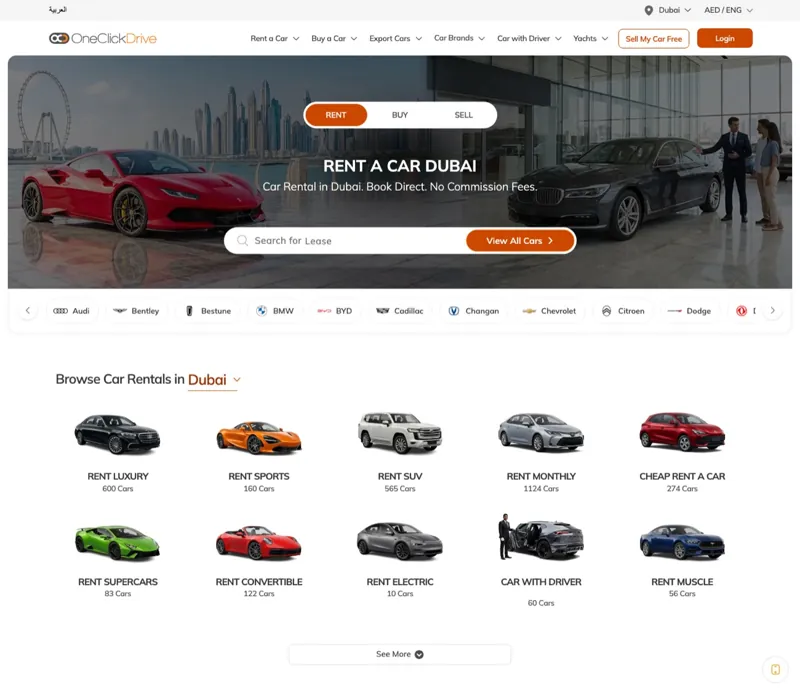
Platform · Car rental · UAE
A car rental marketplace where suppliers list fleets and renters compare and book, under real traffic.
oneclickdrive.com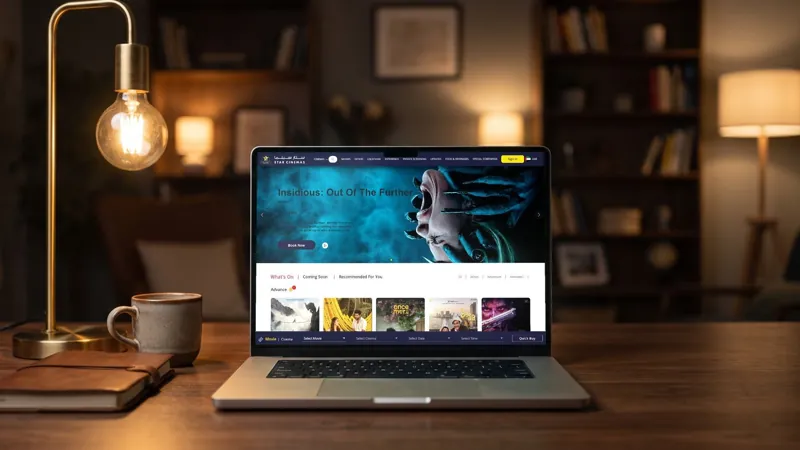
Web app · Ticketing · UAE
The UAE cinema chain operated by Phars Film. Every screening, offer and payment in one place customers can use on a phone.
starcinemas.ae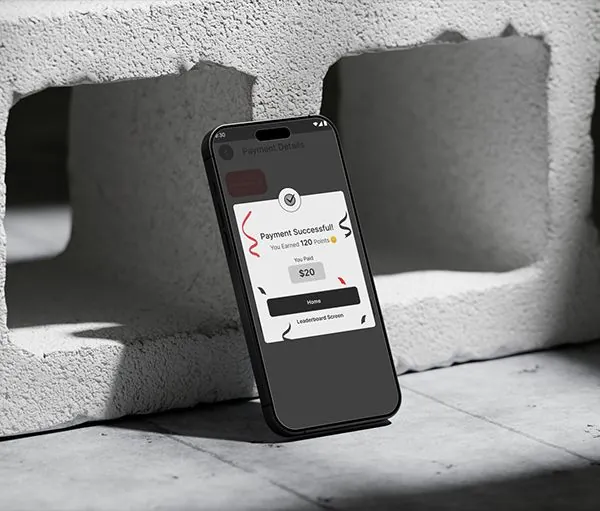
Mobile app · Fintech · United States
A fintech platform connecting merchants, customers and charities in a single payment flow.
purposepayment.comStraight answers
Yes, our pages never publish prices. The fleet is grouped by category, economy, SUV, luxury and so on, with a fast enquiry route for exact rates by dates and pickup location.
Yes, and it usually should. A daily hire and a monthly rental attract different visitors with different questions, so separating them avoids either one getting lost in the other's content.
Yes, a location list, including airport pickup where offered, is one of the first things a visitor checks, particularly a tourist comparing several rental companies before arrival.
Minimum age, licence requirements and whether an international driving permit is needed for visitors are common questions the site should answer plainly, so an enquiry does not fall through at the counter.
Both are possible. Some rental companies prefer a request form confirmed by phone, others want a full booking calendar with availability by vehicle. We confirm which fits your operation before quoting.
Every project gets a fixed written quote scoped to your brief, sent within 45 minutes during business hours with no obligation. Fleet size, booking calendar complexity and any delivery service are the main cost drivers.
Sources
Fixed price, in writing
Got it. Your quote is being written now.
In business hours you will have it within 45 minutes. Check your inbox for the confirmation.